
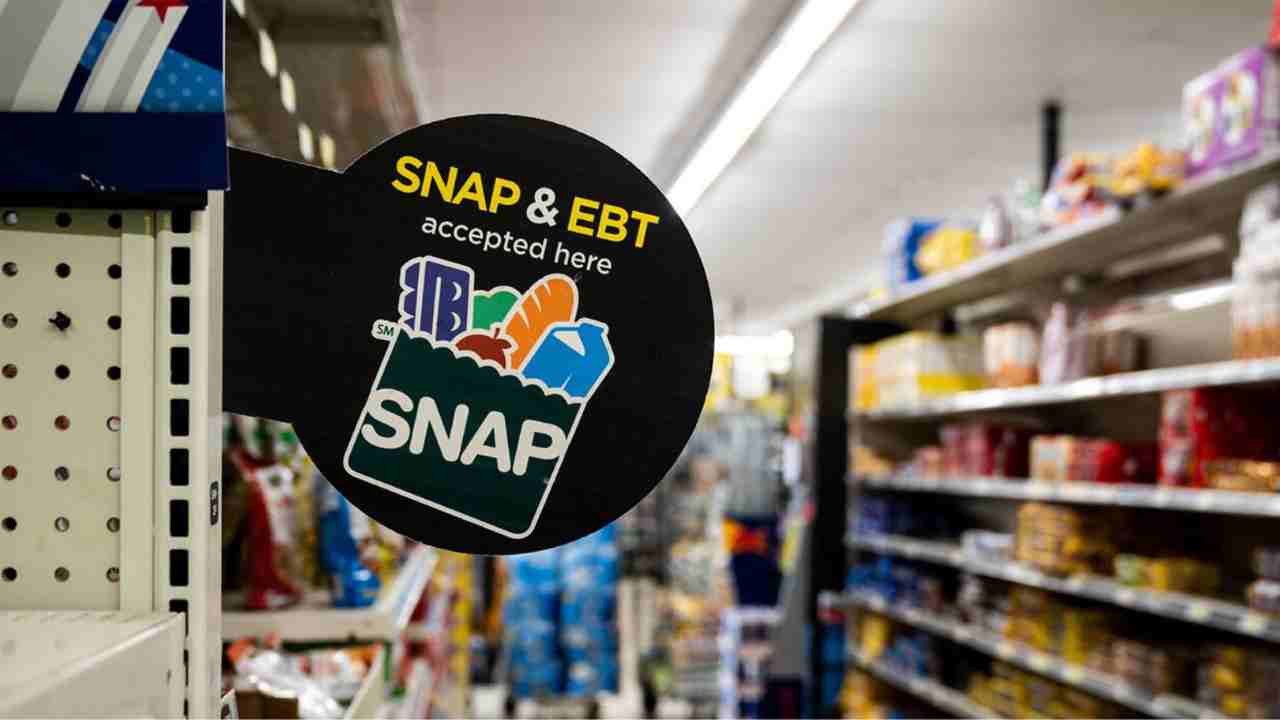
Rising food prices are already stretching millions of American households and now, many could face November without their usual SNAP benefits. States are warning that if the federal shutdown continues, payments may be delayed or even suspended.
The Supplemental Nutrition Assistance Program, better known as food stamps, helps more than 40 million Americans cover grocery costs. But without new federal funding, the money to load EBT cards simply won’t be there next month.
Prices, benefits, and the risk of missing SNAP payments
The U.S. Department of Agriculture (USDA) sent a letter to states on October 10 warning that there will be “insufficient funds” to pay full November SNAP benefits if the budget impasse isn’t resolved soon. Pennsylvania was among the first to issue a public notice: “Starting October 16, SNAP benefits will not be paid until the federal government shutdown ends.” New Jersey, Maryland, New York, and Texas followed with similar alerts.
For millions who depend on the program to afford rising food prices, the message landed like a punch. Advocates say the impact could be devastating, especially for working families already living paycheck to paycheck.
How the SNAP system usually works
SNAP is funded federally but managed by each state. Normally, state agencies send case files every month to EBT processors, who then load benefits onto recipients’ cards so families can buy essentials like meat, dairy, and produce. That process is now on pause. The USDA instructed states to hold off on sending electronic files “until further notice,” raising fears that November benefits may not arrive on time.
“EBT processors need time to process every payment,” explained Gina Plata-Nino from the Food Research & Action Center (FRAC). “If the data isn’t sent, people can’t use their cards, and retailers can’t get paid. It’s that simple.”
Can contingency funds cover rising food costs?
The USDA technically has contingency funds, estimated at around $6 billion, that could keep payments flowing temporarily. These reserves can be used during funding lapses to cover both administrative and participant costs.
Still, it’s unclear if the agency plans to use that money. During past shutdowns, SNAP payments were sent early to avoid chaos. This time, that hasn’t happened and every day of delay adds pressure as food prices stay high.
Some states might try to fill the gap with their own emergency funds, though the cost could run into hundreds of millions of dollars each month. Connecticut’s deputy social services commissioner, Peter Hadler, told lawmakers he doubts Washington would ever reimburse them.