
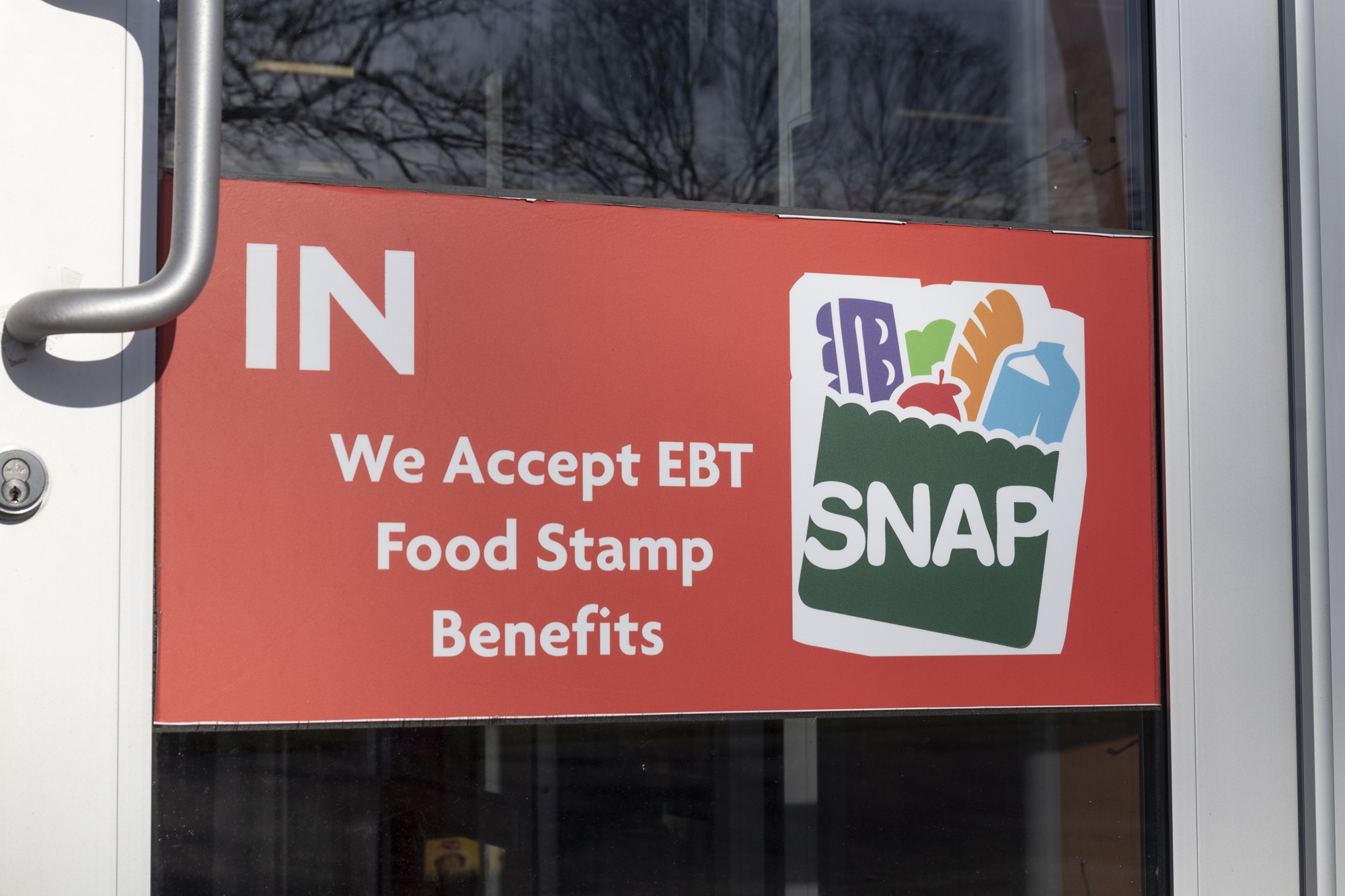
SNAP benefits are heading into one of their biggest shake-ups in years, and the changes are no longer theoretical. New federal rules, fresh enforcement priorities and a major law approved in 2025 are already reshaping how food assistance will work across the US starting in 2026.
For millions of households relying on SNAP benefits every month, the program is about to feel very different. Tighter eligibility checks, broader work requirements and new limits on what can be purchased are all moving from paper to practice, and states are now under pressure to adapt fast.
Supplemental Nutrition Assistance Program (SNAP)
The Supplemental Nutrition Assistance Program, better known as SNAP benefits or food stamps, currently supports more than 22 million low-income households every month. That is roughly one in eight Americans receiving help to buy food, with federal funding covering almost all benefit costs.
On average, SNAP households received about $350 per month in benefits as of September 2025. Most recipients live alone, and about one-third of households include children. Despite being state-run, SNAP is largely financed by Washington, which has long created tension over oversight and cost control. Those tensions are now turning into concrete policy shifts.
Stronger controls on SNAP benefits errors
One of the first visible changes to SNAP benefits in 2026 will be tougher scrutiny of eligibility and payment accuracy. For years, states processed applications while the federal government paid the bill, leaving little incentive to aggressively reduce mistakes. In fiscal year 2024, SNAP payment errors reached about 11%, including overpayments representing roughly $10 billion. Income miscalculations and weak verification were the most common issues flagged.
A new federal law passed in July 2025 changes the math. States with error rates at or above 6% will soon have to cover part of their SNAP benefits costs. While the financial penalties start in 2027, current error rates will determine future liabilities, pushing states to act now. Expect more documentation requests, stricter income checks and closer reviews of household resources. For recipients, that means more questions and less margin for error.
Expanded work requirements for SNAP recipients
Work rules tied to SNAP benefits are also expanding, quietly but significantly. Starting in 2026, non-disabled adults up to age 64 will face work requirements, up from the previous cutoff of 54.
Exemptions are now narrower. Only adults with children under 14 qualify automatically, and geographic waivers are limited to areas with unemployment above 10%. As a result, most counties in the US will no longer qualify for blanket exemptions. For the first time, a majority of work-capable SNAP adults will be subject to employment rules. States must now track work participation more closely and connect recipients with job or volunteer opportunities, something many systems are not fully built for yet.
Changes to what SNAP benefits can buy
Another major shift focuses on nutrition. While SNAP benefits have traditionally covered nearly all food and drink except alcohol, tobacco and hot meals, that approach is changing in 18 states. With federal approval, these states are restricting purchases of items such as soda, candy, desserts and some highly processed foods. Each state’s list is different, and rollout dates vary throughout 2026.
Once fully implemented, these restrictions will affect about 31% of SNAP participants nationwide. Large states like Texas and Florida are among those adopting the changes, which could reshape grocery shopping habits for millions of families.
Slower growth in SNAP spending
SNAP benefit spending surged after 2020 and remains well above pre-pandemic levels. Part of that increase came from permanent benefit boosts introduced in 2021, a move later questioned by federal auditors.
From 2026 onward, benefit increases above inflation will require explicit congressional approval. In addition, federal regulators are expected to tighten rules that previously allowed states to expand eligibility through broader income limits and reduced asset tests. Taken together, these measures are projected to cut SNAP spending by roughly $10–$15 billion per year, assuming the economy remains stable.
The limits for non-citizen SNAP eligibility rules for non-citizens are also tightening. Beginning in 2026, SNAP benefits will generally be limited to lawful permanent residents who have lived in the US for at least five years. Refugees and asylum seekers, who were previously eligible under certain conditions, will no longer qualify under the revised standards. The change narrows the program’s reach and shifts assistance more squarely toward citizen households.
What SNAP recipients and states should expect next
All of these changes mean heavier administrative work for states and more oversight for recipients. Systems must be updated, staff retrained and coordination with workforce programs improved.
Key impacts to watch include:
- More frequent eligibility reviews
- Wider application of work requirements
- State-specific food purchase restrictions
- Slower growth in monthly SNAP benefit amounts
SNAP benefits are not disappearing, but they are being reshaped. The goal, according to federal officials, is a program that is tighter, more targeted and more focused on work and nutrition. For households relying on SNAP in 2026, adapting to the new rules will be just as important as the benefits themselves.