
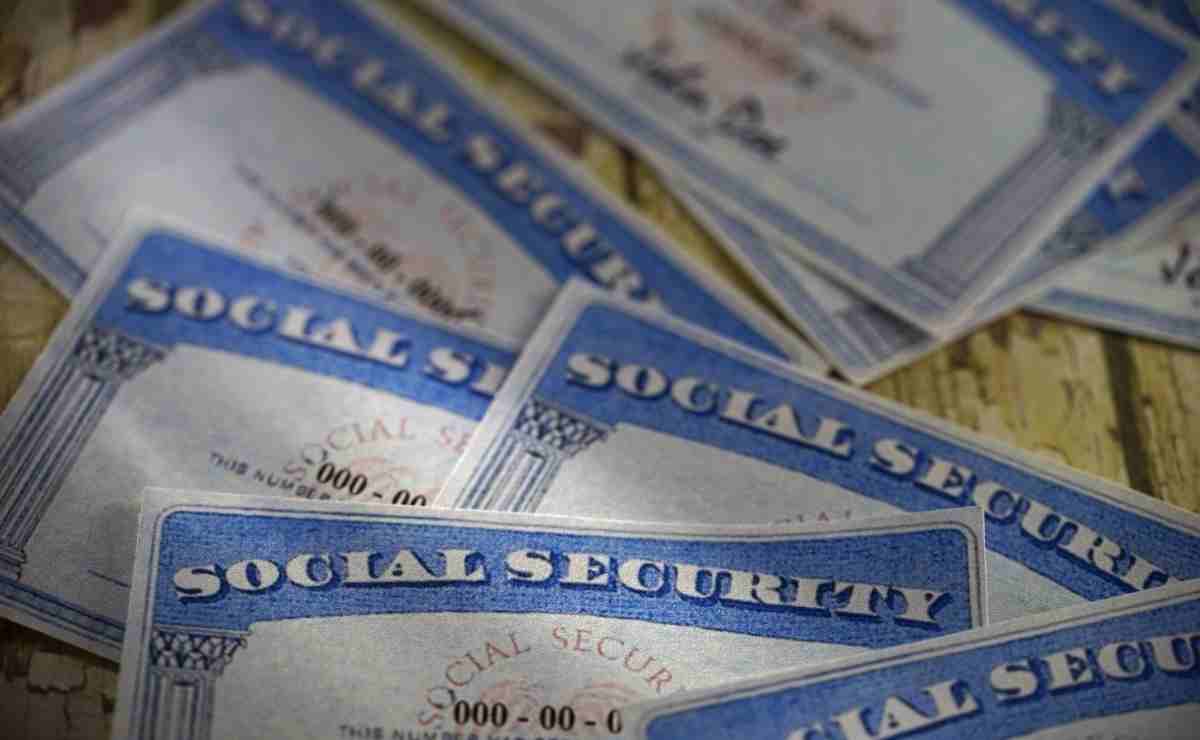
A quarter-point rate cut has landed with side effects for Social Security, Social Security benefits, and long-term Social Security payments. The move didn’t touch checks today, but it reshapes what retirees could see a year from now.
After the December decision, expectations around inflation cooled fast. That matters because Social Security cost-of-living adjustments live and die by inflation data.
Social Security
The Federal Reserve voted 9–3 to cut interest rates by 0.25%. Just as important, it signaled it may pause further cuts. That combo nudges inflation expectations lower, and that’s the pressure point for future Social Security COLA increases.
More than 70 million Americans depend on monthly Social Security checks. Each year’s raise is tied to inflation readings, specifically the Consumer Price Index for Urban Wage Earners and Clerical Workers. When inflation softens, COLA follows. Sometimes closely, sometimes painfully so. Heading into 2026, the Fed’s benchmark rate is expected to sit between 3.5% and 3.75%. That’s a clear drop from earlier in the year, when targets hovered around 4.25% to 4.50%. Lower rates usually cool price growth over time, which is exactly what policymakers are aiming for.
For Social Security recipients, the timing is awkward. COLA for 2026 is already set at 2.8%, following a 2.5% increase in 2025. But early projections for 2027 are now sliding. Some estimates put the next adjustment near 2.1%, assuming inflation stays tame.
How inflation quietly rewrites Social Security checks
The COLA formula doesn’t look at rent, groceries, or medical bills directly, instead it tracks CPI-W data over a specific window. If prices don’t rise much in that period, benefits don’t either. Rate cuts influence spending, borrowing, and pricing across the economy. When they work as intended, inflation drifts toward the Fed’s 2% target. Good macro news, but it usually means smaller Social Security increases down the road.
Economists broadly expect inflation to remain relatively contained this year. That outlook assumes no new tariffs, no major supply shocks, and no sudden spikes in energy prices.
What beneficiaries are likely to notice
A lower COLA doesn’t reduce current payments. It just limits how much they grow. Over time, that difference compounds, especially for retirees who’ve been collecting for years.
Here’s what’s on the table right now:
- 2025 COLA: 2.5%
- 2026 COLA: 2.8%
- Early 2027 outlook: around 2.1%
Those numbers can still move. Inflation data over the coming months will decide it, not December headlines alone.
The trade-off nobody loves
There’s an upside that’s easy to miss. Lower inflation usually means slower price increases for essentials. In theory, a smaller COLA paired with stable prices can balance out. In practice, many seniors feel costs rise faster than official measures suggest.
That disconnect isn’t new, and it’s not addressed by rate policy. Social Security follows the formula it has, even when it doesn’t line up with lived reality.
For now, nothing changes in monthly payments. The December rate cut didn’t just lower borrowing costs, it quietly narrowed the lane for future Social Security increases.