
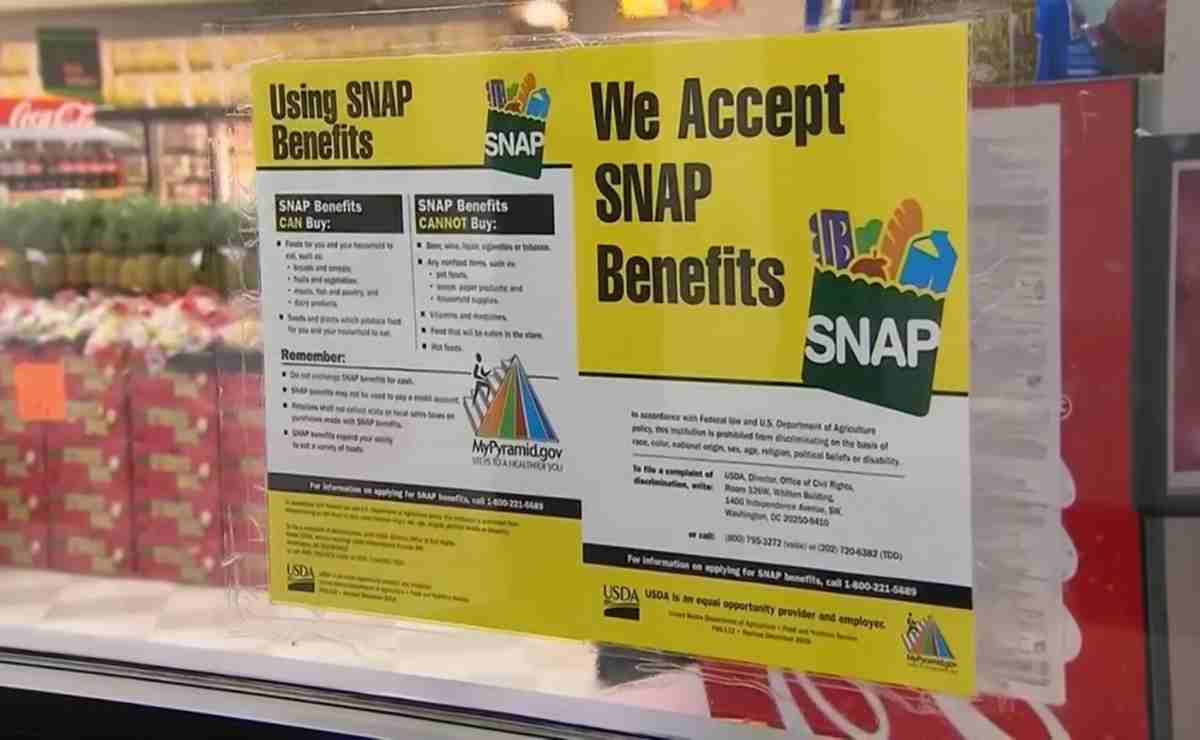
More than 336,000 people still rely on SNAP every month, and when most of that money lands at once, stores feel it fast: crowded aisles, empty shelves, and staffing issues that don’t disappear overnight.
The issue isn’t about fewer recipients alone. It’s about timing. Until now, SNAP benefits were released over just three days, pushing nearly 191,000 households to shop at the same time. That concentration created bottlenecks that affected access to fresh food, especially during the first weekend of the month.
SNAP Benefits And The New Payment Schedule
Starting March 1, SNAP benefits in Connecticut will no longer be distributed over a three-day window. Instead, deposits will be spread across eight days each month, using the last two digits of the EBT cardholder’s client ID rather than last names. The goal is simple: reduce pressure on grocery stbores and improve food availability. When too many shoppers arrive at once, restocking becomes harder and some products vanish quickly, particularly fresh produce and high-demand staples.
By extending the distribution period, state officials expect shopping patterns to even out. Fewer rushes mean fewer shortages, and stores may be able to plan staffing more realistically instead of reacting to a predictable monthly surge.
Why The Three-Day System Stopped Working
Under the previous model, nearly all SNAP households received funds during the same short window. That meant thousands of people shopping simultaneously, often right as the benefits became available.
This led to several recurring problems. Stores struggled to keep shelves full. Employees faced intense peak hours followed by slow periods. Some shoppers found limited choices, especially later in the weekend. Even households that planned carefully felt the effects. When food runs out early, flexibility disappears, and healthier options are often the first to go.
Who Is Still Receiving SNAP In Connecticut
While participation has dipped slightly, SNAP remains a major support system in the state. As of the most recent federal data from September, more than 211,800 households were enrolled, representing over 353,000 individuals. Those households received a combined total of $68.4 million in SNAP benefits for that month alone. More recent preliminary figures show participation declining to about 336,510 individuals across roughly 191,000 households.
The drop follows new work requirements that took effect after recent federal legislation, tightening eligibility for some adults. Even so, the program still touches a significant portion of Connecticut’s population.
What Changes For Shoppers And Stores
Spreading SNAP benefits over eight days is expected to reshape shopping behavior gradually, not overnight. The first weekend of the month may still be busy, but the intensity should ease over time.
Stores benefit from steadier traffic and better inventory control. Shoppers may see more consistent access to meat and dairy instead of facing picked-over shelves. The change also reduces pressure on store staff, who previously had to prepare for extreme spikes in demand within a very short period.
A Program Still Under Adjustment
SNAP benefits are federally funded but locally managed, which means changes like this often reflect on-the-ground realities rather than policy shifts alone. Connecticut’s update focuses less on who qualifies and more on how the system functions in real life.
For recipients, the amount of assistance remains the same. What changes is when the money arrives and how crowded the grocery store feels when they go to spend it.