
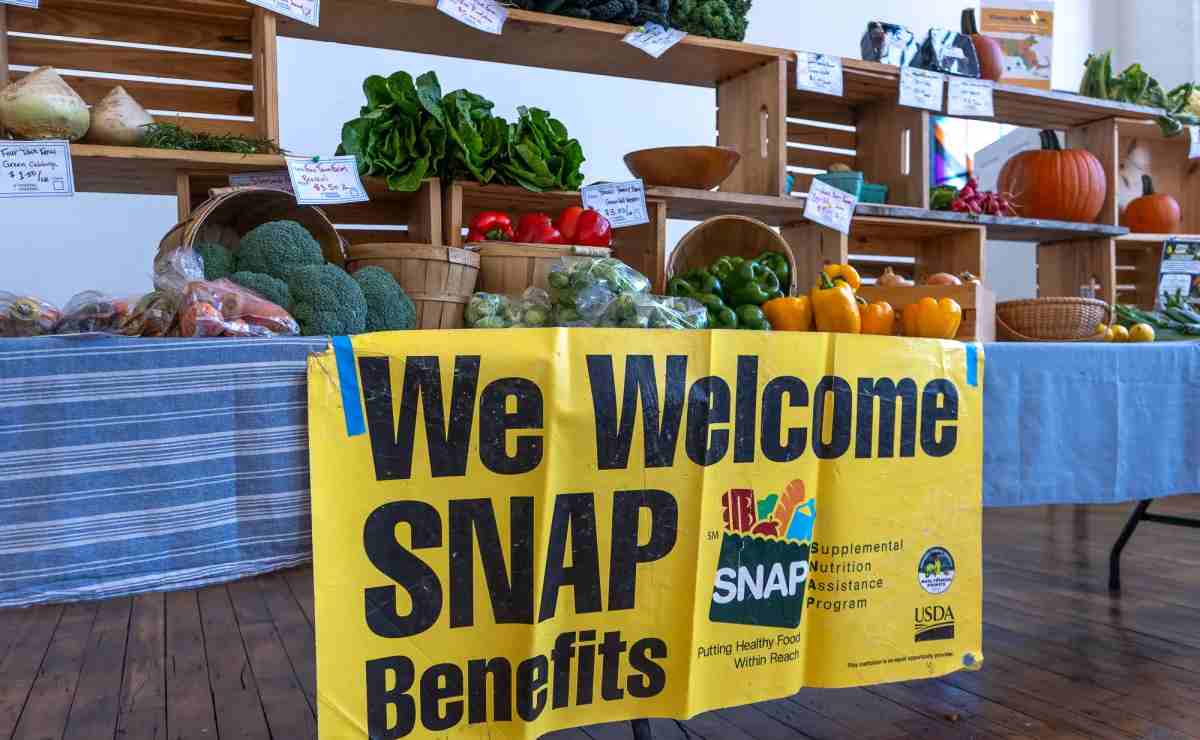
That system will stay in place, but the rules around it will not. New purchase restrictions, expanded work requirements, and eligibility changes tied to immigration status are all set to take effect between early 2026 and the following fiscal years.
The program is federally funded but state-run, which means Idaho must implement federal decisions while also enforcing its own legislation. One of the most immediate changes to SNAP benefits involves what recipients can put in their carts. Beginning February 15, candy and soda purchases will no longer be allowed under the program in Idaho.
Candy and soda restrictions begin early 2026
The restriction applies to items classified as candy or soda under broad definitions approved by lawmakers. Products with added sweeteners and no nutritional preparation requirements are the main target. Retailers raised concerns during legislative debates, mostly due to how wide the definitions are and how difficult enforcement may be at checkout.
To move forward, Idaho requested and received a federal waiver, clearing the way for the ban to take effect statewide.
Federal work requirements expand after delays
Another major shift in SNAP benefits comes from federal law. Congress expanded work requirements as part of a large tax and spending package passed in mid-2025. Although the rules were initially scheduled to begin earlier, a federal government shutdown delayed implementation. Idaho officials now expect the changes to start in April.
Under the updated rules, more able-bodied adults without dependents will be required to meet monthly work or participation thresholds to continue receiving benefits beyond a limited period.
Who is now affected by the new SNAP rules
The federal changes narrow several long-standing exemptions. Groups that previously qualified for continued benefits without meeting work requirements may no longer be excluded. At the same time, some new exemptions were added for specific tribal populations, reflecting federal policy priorities.
The overall result is a broader pool of recipients who must document work, training, or volunteer hours to maintain access to SNAP benefits.
Key changes recipients should know
- Candy and soda purchases are no longer allowed with SNAP benefits starting February 15
- Work requirements now apply to more adults without dependents
- Several exemption categories have been removed or narrowed
- Refugees without permanent resident status are no longer eligible
- States must meet a higher unemployment threshold to waive work rules
Costs and state impact moving forward
While SNAP benefits are federally funded, Idaho’s financial role is growing. Starting in fiscal year 2028, states will be required to cover part of the benefit costs for the first time in the program’s history. Administrative expenses are also increasing. Idaho’s annual SNAP-related spending is expected to rise by about $6 million, even without adding staff or expanding agency budgets.
State officials say they plan to absorb the workload internally, adjusting systems rather than expanding operations.
What this means for Idaho households
For many families and individuals, SNAP benefits remain essential. The program continues to provide baseline food security, but with more conditions attached than before. The next year will be a transition period. Recipients will need to pay closer attention to eligibility notices, reporting requirements, and what qualifies at checkout.