
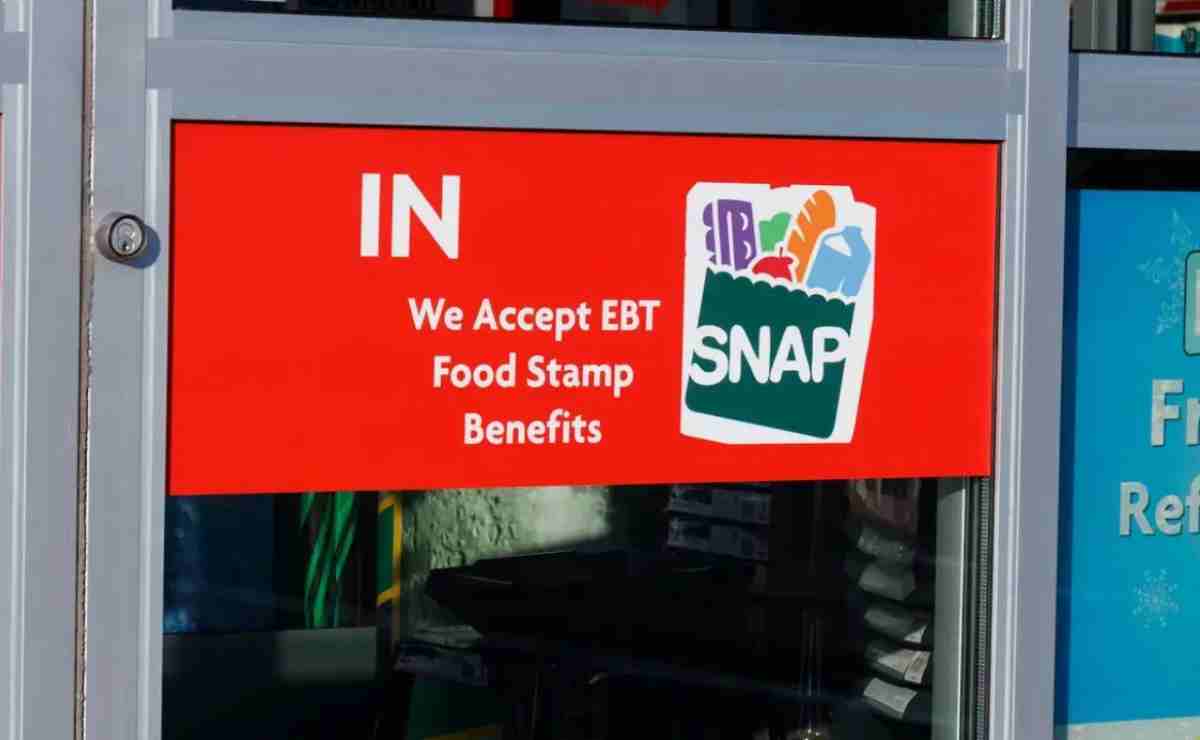
For weeks, SNAP benefits became a problem instead of a solution for more than one million people in Michigan. Delays triggered by the federal shutdown left many households without their expected food assistance, forcing families to stretch meals, skip purchases, or rely on help from relatives and local pantries. That disruption is now followed by something deeper.
The new law changes how SNAP benefits work for adults considered able to work. From now on, recipients must meet a minimum activity threshold to remain eligible.
SNAP Benefits under new federal rules
The requirement is set at 80 hours per month, roughly 20 hours per week, through employment, job training, or approved volunteer activities. With the approval of the Trump administration’s “One Big Beautiful Bill,” SNAP benefits enter a new phase defined by tighter eligibility rules, expanded work requirements, and stricter controls that will reshape access across the state almost immediately.
This adjustment applies statewide, even though some urban areas have been granted exemptions. Cities such as Detroit and Eastpointe are not subject to the same enforcement due to local labor conditions, but that does not remove the impact for nearby counties or for residents who move or change their address.
The rule also extends the age range affected. Previously capped at a lower threshold, the new framework raises the upper age limit to 64. That means older adults who were once excluded from work mandates may now need to report hours to keep receiving benefits.
What happens if requirements are not met
The system includes a penalty mechanism that can suspend SNAP benefits for individuals who fail to comply. If a recipient does not meet the activity requirement for three months within a three-year period, benefits may be cut off entirely.
In practice, many cases do not involve refusal to work. The issue often appears during reporting. Missed paperwork, delayed verification, or confusion over approved activities can all lead to a loss of eligibility, even when the person is technically compliant. This adds pressure on recipients to navigate administrative steps accurately and on time, something that can be difficult during periods of instability or limited internet access.
Michigan after the shutdown delays
The timing of these changes matters. Michigan families are still recovering from weeks of interrupted SNAP benefits caused by the government shutdown. For many households, that pause created debt, unpaid bills, or reliance on emergency food programs.
Now, instead of returning to normal access, recipients face new conditions that may reduce participation levels. State agencies are preparing for an increase in inquiries, appeals, and requests for clarification as people try to understand how the rules apply to their situation.
Local offices of the Michigan Department of Health and Human Services remain the main point of contact, especially for those unsure whether they qualify for exemptions or how to document work hours.
A program tied to daily decisions
SNAP benefits influence more than grocery purchases. For many families, food assistance affects how money is allocated each month. Rent, utilities, transportation, and medication costs are often balanced against food spending, not separately. When benefits are delayed or reduced, those decisions become harder. Parents may cut back on meals so children can eat. Seniors may delay refilling prescriptions. Students may struggle to focus in class due to inconsistent access to food.
These effects are not limited to one demographic or neighborhood. Eligibility can change quickly due to job loss, illness, or caregiving responsibilities, making SNAP a temporary support for many people who never expected to rely on it.