
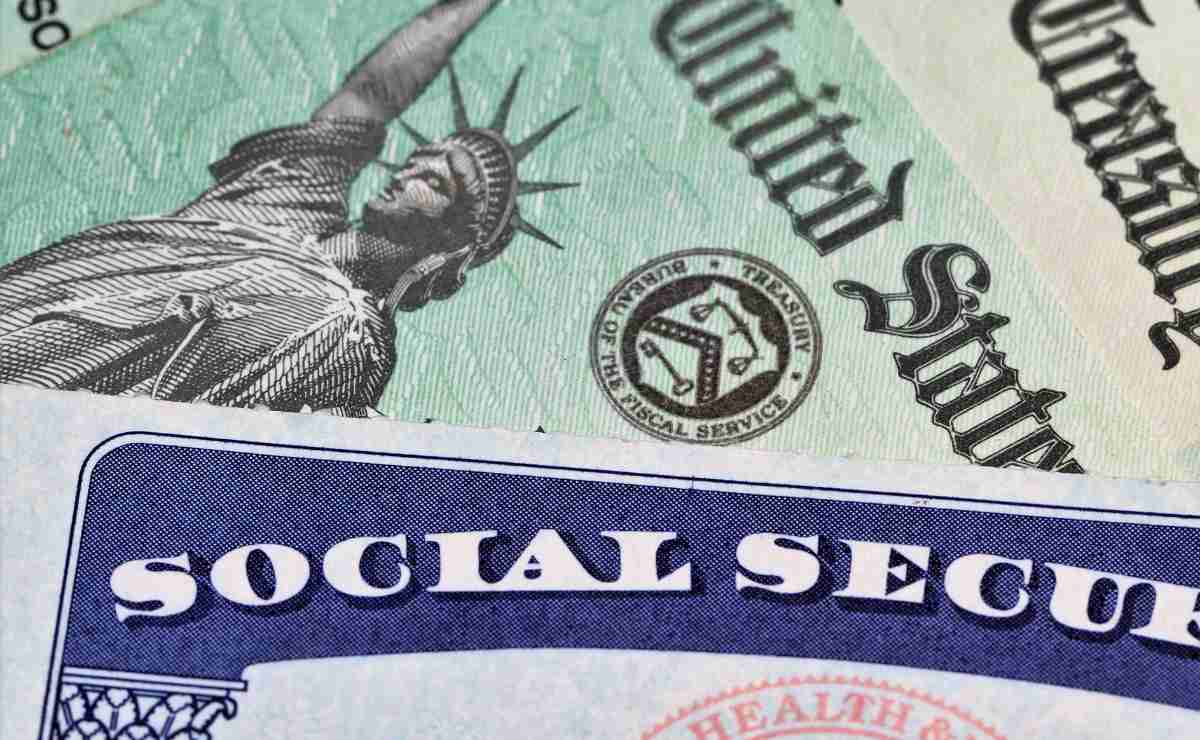
The Social Security system is moving money before the year even turns. On Wednesday, December 31, nearly 7.5 million people across the U.S. will see a payment land earlier than usual, tied to Supplemental Security Income and the way federal holidays shift the calendar.
This New Year’s Eve deposit is not a bonus and not an extra check. It’s January’s SSI payment, advanced because January 1 is a federal holiday and the Social Security Administration cannot issue payments that day. The timing matters, and for many households it will shape how the first weeks of 2026 begin.
Social Security Administration and the December 31 SSI payment
SSI payments normally go out on the first day of each month. When that date falls on a weekend or holiday, Social Security moves the payment to the closest prior business day. That’s what’s happening here. As a result, SSI recipients will receive their January 2026 benefit on December 31, 2025. There will be no separate SSI payment in January itself, something that often causes confusion if it’s not planned for.
The scale is large. According to the most recent federal figures, about 7.39 million people receive SSI nationwide. For many of them, this program is their main source of monthly income.
Who qualifies for SSI and why it’s different
SSI is not the same as retirement benefits or Social Security Disability Insurance. It does not depend on work history or payroll taxes paid over the years. The program is designed for people with limited income and resources who are age 65 or older, blind, or living with a qualifying disability. Eligibility is based strictly on financial need.
That difference matters because SSI recipients are often affected first when payment dates change. Even a one-day shift can alter rent schedules, utility payments, or grocery budgets.
The 2026 increase is already included
The December 31 payment is also the first SSI check to reflect the 2026 cost-of-living adjustment. A 2.8% increase was confirmed earlier this fall and applies across multiple Social Security programs. For SSI specifically, the maximum federal benefit for an individual rises from $967 per month to $994. Eligible couples will see their maximum combined payment increase from $1,450 to $1,491.
Not everyone receives the maximum amount, but the adjustment applies to all SSI checks issued for January 2026 onward, starting with this one.
State supplements may add more
Some states provide additional SSI supplements on top of the federal payment. These amounts vary widely and are handled differently depending on where the recipient lives. In some cases, the state payment arrives at the same time as the federal SSI check. In others, it follows a separate schedule. That difference is important when looking at end-of-year deposits.
Retirement, SSDI, and survivor benefits follow a different calendar. Most recipients will be paid in January based on their date of birth, on the second, third, or fourth Wednesday of the month. There is one exception that still catches people off guard. Anyone who started receiving Social Security benefits before May 1997 will be paid on Friday, January 2, regardless of birth date.
People who receive both SSI and regular Social Security will see two separate deposits close together: SSI on December 31, and the other benefit on January 2.
Other retirement and SSDI payments: mid-to-late January, depending on birth date
Social Security continues its shift away from paper checks, though some are still issued. Most beneficiaries receive payments electronically.
Funds are typically sent by direct deposit to a bank account or loaded onto the Direct Express debit card, which is used by recipients without traditional banking access.
Either way, the early SSI payment will follow the same delivery method already on file. There’s no special action required, but keeping track of the date is key. Once December 31 passes, there won’t be another SSI deposit until February.