
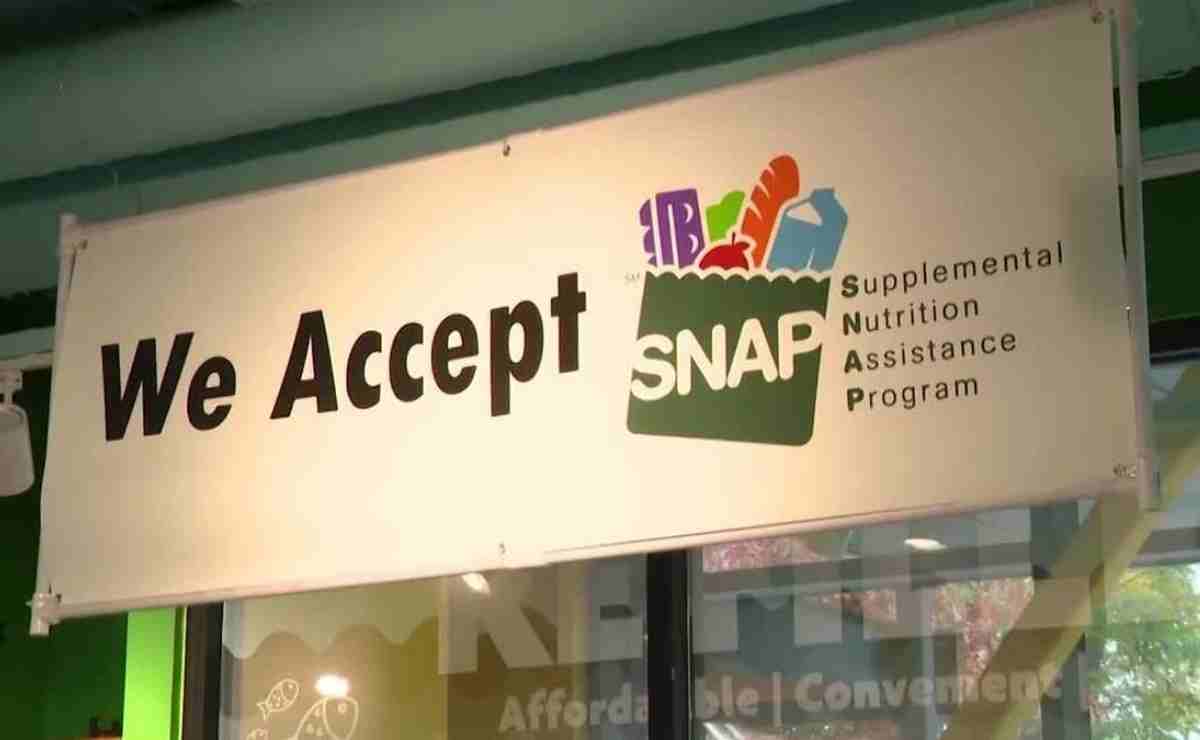
SNAP benefits changed after a reconciliation package approved last year reshaped eligibility nationwide. One of the most significant shifts is a reinforced work requirement that took effect at the start of this year.
Under the current rule, able-bodied adults between 18 and 64 must prove they work at least 80 hours per month, are enrolled in school, or are actively participating in a recognized job training program. Missing documentation, late filings, or incomplete recertification can now lead to an automatic loss of SNAP benefits, even for people who technically meet the criteria.
Arizona households face immediate risk
In Arizona, the scale of exposure is large. Tens of thousands of residents rely on SNAP benefits to cover basic grocery needs, especially as food prices remain elevated compared to pre-pandemic levels.
For many households, the risk is not refusal but delay. Benefits can stop simply because paperwork does not move through the system on time.
Once benefits are cut, restoring them is not immediate. That gap, even if temporary, can leave families without food support for weeks.
Food banks already absorbing the shock
Community food banks across the state are feeling the effects earlier than expected. During the initial SNAP benefit reductions that began in October, some agencies reported a 30% increase in households seeking food assistance.
While demand usually drops after the holidays, this year it has stayed high. The flow of families has not returned to normal levels, and planning assumptions now extend months ahead rather than weeks. Food banks are preparing for sustained pressure through at least the next six to twelve months, depending on how the economy and SNAP benefits enforcement evolve.
Administrative delays worsen the situation
Arizona’s Department of Economic Security is facing a staffing shortage that directly affects SNAP processing. In July 2025, more than 36% of employees responsible for determining eligibility were laid off following funding reductions. By December, the department was handling around 54,000 SNAP applications. Roughly 18,000 of them had been waiting for more than 30 days. This backlog increases the likelihood that eligible residents lose SNAP benefits simply because their documentation is not reviewed on time.
Recertification has become the weakest link in the SNAP benefits chain. Even minor errors, missing forms, or misunderstandings about work verification can trigger a suspension. When benefits are lost for administrative reasons, reinstatement requires a new review. With fewer staff available, that review can take weeks. During that window, families often turn to food banks, schools, or community pantries to cover daily meals.
What is driving the surge in food aid demand
Several factors are converging at once, creating a perfect storm for SNAP-dependent households:
- Stricter work verification rules with less flexibility
- Reduced staffing to process applications and recertifications
- Higher grocery costs stretching already limited benefits
- Each factor alone creates friction. Together, they amplify the risk of benefit loss.
- What happens next for SNAP benefits recipients
In the coming months, Arizona is expected to see more interruptions in SNAP benefits, not necessarily because people fail to qualify, but because the system cannot process cases fast enough.
Households attempting to regain lost benefits may face delays that extend well beyond a single month, increasing food insecurity across the state.
For now, food banks remain the last line of defense for many families navigating the new SNAP benefits landscape. How long they can absorb the surge will depend on funding, donations, and whether administrative capacity improves before more benefits are cut.