
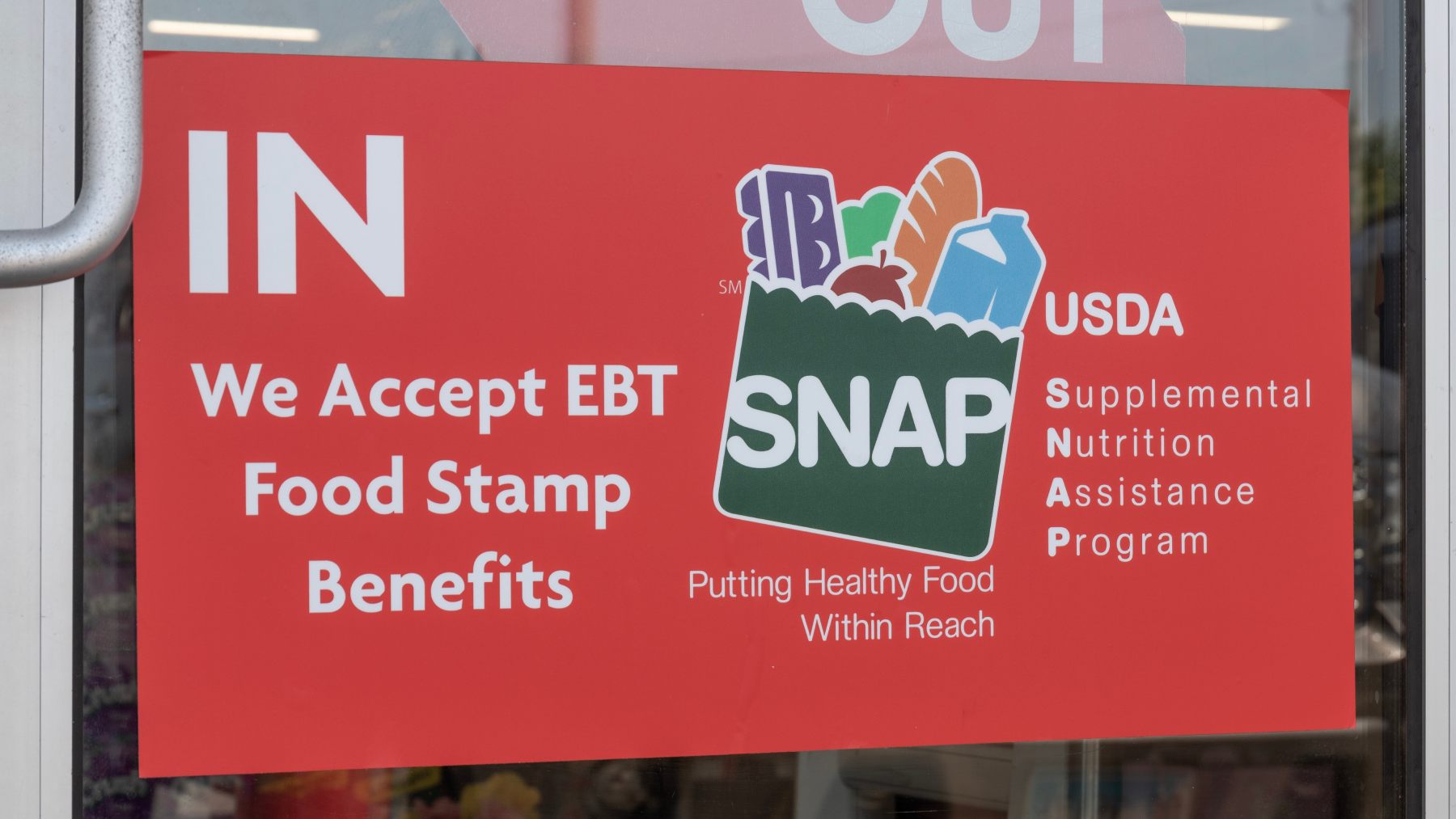
SNAP benefits are facing a hard reset in North Carolina, and the clock is already running. New federal rules tied to food stamps and Medicaid will force states and counties to spend more, verify more, and move faster, even though the money and staff are not fully in place yet.
For families who rely on SNAP benefits, food assistance, or Medicaid coverage, the shift won’t feel abstract. Tighter work rules, higher error penalties, and new cost-sharing formulas are set to reshape how aid is approved and kept.
SNAP Benefits under new federal rules
The new federal legislation signed last year reshapes how SNAP benefits are funded and policed. States will now be financially responsible for a portion of benefit costs if their administrative error rates climb above set thresholds. That change alone alters decades of federal-state balance.
Starting next year, states with error rates above 6% could be forced to cover between 5% and 15% of total SNAP benefit costs. For North Carolina, that exposure could reach $69 million as soon as October, according to internal state estimates discussed with lawmakers. County governments administer SNAP benefits on the ground, and that’s where the pressure lands first. Smaller and rural counties, in particular, are warning they may not have the staff or budgets to meet the new accuracy demands without help.
Why North Carolina is asking for more time
State lawmakers called health and human services officials to Raleigh to explain how they plan to enforce the new rules. Counties say they support compliance, but not at the current pace or price. The law shifts more administrative costs to states, raising the state share from 50% to 75%. That means more case checks, more paperwork, and more frequent eligibility reviews, all with fewer federal dollars covering the work.
Officials stressed that while some counties already operate below the 6% error line, others are close to the edge. Any spike in mistakes could trigger automatic financial penalties tied directly to SNAP benefits.
Medicaid changes add another layer
SNAP benefits are not the only program affected. Medicaid expansion recipients are also facing stricter work and reporting requirements under the same federal law. In North Carolina, Medicaid was expanded in 2023 to nearly 700,000 adults working low-wage jobs without employer health insurance. Many of them will now need to document at least 80 hours a month of work or community service, or show they are enrolled in school part-time.
Local agencies will also have to check eligibility twice a year instead of once. State officials estimate this alone will require more than $31 million annually in added staffing and systems, plus another $19.7 million in ongoing and start-up costs. The Medicaid program is already dealing with a funding gap of more than $200 million for the current fiscal year. Without new appropriations, preparing for the federal changes becomes even harder.
Error rates and real consequences
North Carolina’s SNAP error rate for fiscal year 2024 stood just above 10%, high enough to trigger the maximum penalty under the future rules. Officials say the number has dropped to about 7% in recent months, but that progress could be fragile.
Whenever programs become more complex, error rates tend to rise. New age ranges, fewer exemptions, and tighter work checks all increase the risk of mistakes at the county level. That matters because, under the law, errors are no longer just administrative issues. They translate directly into dollars that states must pay back.
What is changing for SNAP recipients
The federal law expands work requirements for SNAP benefits to adults up to age 65. It also removes long-standing exemptions for certain groups, including veterans, people experiencing homelessness, and teenagers aged 15 to 18.
Here are the core changes now moving toward implementation:
- Higher work and activity requirements for more age groups
- Fewer categorical exemptions from SNAP rules
- Financial penalties tied to state and county error rates
Officials emphasized they are not questioning the intent of the law, only the feasibility. Counties are already reporting they need to hire more staff, but many say they simply don’t have the funds to do so right now.