
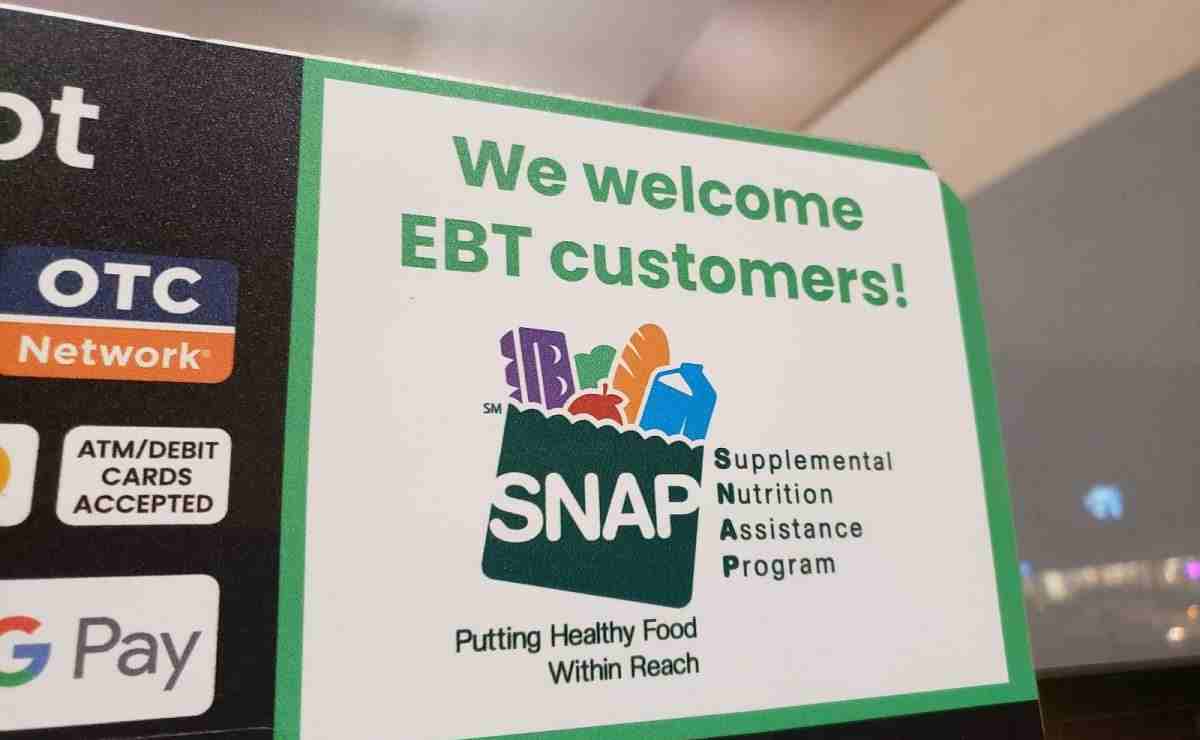
SNAP benefits are changing again, and the numbers already matter for millions of households planning their food budget for 2026. The federal adjustment is modest, but it reshapes monthly payments across the country, especially for larger families and those with very limited income.
For many recipients, the key detail is simple: SNAP benefits are going up, but not everyone will see the maximum amount. The new figures set clear ceilings for each household size, while the final benefit still depends on income, expenses, and deductions that vary case by case.
SNAP benefits in 2026
SNAP benefits, are calculated individually for every approved household. There is no flat payment, and most recipients receive less than the maximum allowed for their household size. For 2026, the highest possible monthly SNAP benefit in the 48 contiguous states and Washington, D.C. starts at $298 for a single-person household. That figure increases with each additional member, reaching $546 for two people, $785 for three, and $994 for a four-person household.
Larger families see higher caps. A household of five can receive up to $1,183 per month, while six people may qualify for as much as $1,421. For seven members, the maximum is $1,571, and for eight, $1,789. Each additional person adds $218 to the maximum benefit. These amounts only apply to households with very low or zero net income. Most families receive less once earnings and other financial factors are included in the calculation.
How SNAP benefit amounts are decided
SNAP benefits are based on a federal formula that looks at net income, not just what a household earns on paper. Certain essential expenses are deducted before the final amount is set, which is why two households with the same size can receive very different payments.
Housing and utility costs play a major role in this calculation. Child care expenses also matter, especially for working families. For households with elderly or disabledmembers, approved medical expenses can further reduce countable income. After all deductions are applied, the remaining net income determines the final SNAP benefit. The program assumes households contribute about 30% of their net income toward food, and SNAP fills in the rest up to the maximum limit.
Minimum benefits and regional differences
While maximum amounts often get the most attention, there is also a minimum SNAP benefit. In most states, the lowest monthly payment is $24, even for households with income close to the eligibility cutoff. SNAP benefits are higher in Alaska, Hawaii, Guam, and the U.S. Virgin Islands. Food costs in these areas are significantly higher, and federal guidelines adjust benefit levels to reflect that reality.
These regional differences are automatic and do not require a separate application. Eligible households in those areas are placed under different benefit schedules from the start.
What SNAP benefits can and cannot be used for
SNAP benefits are designed strictly for food purchases intended to be prepared and eaten at home. Most basic grocery items are allowed, including fresh produce, meat, dairy products, bread, and other staples.
There are clear limits on what SNAP benefits cannot cover:
- Alcoholic beverages and tobacco products
- Vitamins, supplements, and medicines
- Hot prepared foods meant for immediate consumption
- Non-food items such as cleaning supplies or personal care products
These restrictions apply nationwide and are enforced at the point of sale through the EBT system.
What to expect next
SNAP benefits for 2026 reflect a routine federal adjustment rather than a structural change to the program. The increases are small, but they do slightly expand monthly food budgets for households already qualifying at the lowest income levels.
For recipients, the most important step is keeping household and expense information up to date. Changes in rent, utilities, child care, or medical costs can directly affect the final SNAP benefit, sometimes more than the annual adjustment itself.