
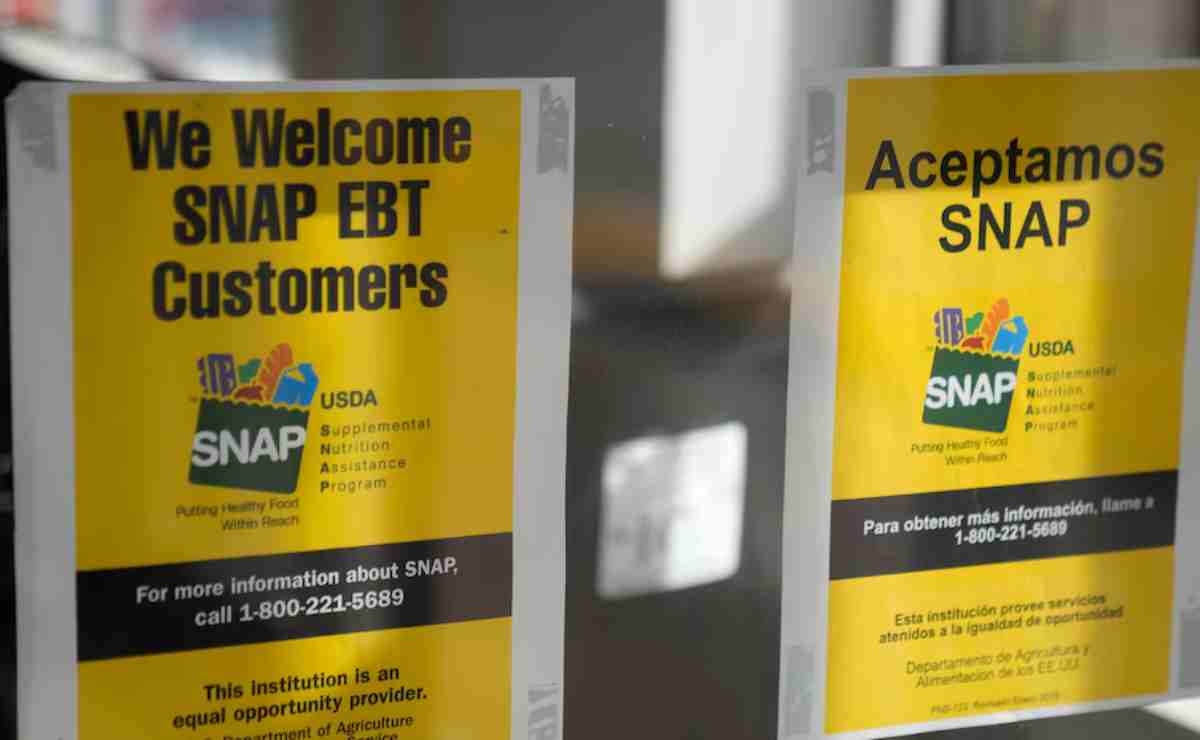
A sharp shift is already hitting SNAP benefits, and states are now realizing the money pipeline from Washington is no longer guaranteed. With new federal rules locked in and budgets under pressure, food assistance is moving from a federally cushioned program to a shared financial risk.
What looked like a distant adjustment has turned into an immediate budget problem. States that leaned for decades on federal funding for SNAP benefits are now facing real costs, real penalties, and very little time to fix long-standing payment errors.
A federal program, but not a federal bill anymore
For years, SNAP benefits operated under a simple understanding: Washington paid for the food, states handled the paperwork. That balance is changing. New legislation rewrites how costs are shared, reducing federal exposure and shifting responsibility downward.
The result is not theoretical. States are now being warned that mistakes they once absorbed quietly could soon come with price tags in the hundreds of millions of dollars.
Why this matters right now
The payment error rates states post today will directly affect how much they owe later. The clock is already running, even if the penalties arrive a few years from now.
During the last federal shutdown, SNAP benefits exposed how fragile the system really is. When federal funds stalled, states were left scrambling. Some paid benefits out of pocket. Others reduced payments and some paid nothing at all.
What changed in the law
Under the One Big Beautiful Bill Act, the structure of SNAP benefits funding is being rewritten in two key steps.
Starting in 2027, states must cover 75% of SNAP administrative costs, up from the current shared model. A year later, the real pressure hits: states with payment error rates of 6% or higher will be required to cover part of the actual food benefits themselves. That threshold is not hard to reach. In fact, most states are already above it.
The error problem states can’t ignore
Latest federal data shows that 42 states currently exceed the 6% SNAP payment error rate. These errors include overpayments, underpayments, and benefits issued to ineligible recipients. Until now, the financial consequences were limited.
If current error rates remain unchanged, some states are looking at staggering liabilities once the new rules apply. Large states with expansive SNAP programs face the biggest exposure, but no state is immune.
Budget pressure is unavoidable
Because most states are legally required to balance their budgets, SNAP benefits are no longer a background issue. Governors and lawmakers will be forced to make tradeoffs.
Money used to cover SNAP penalties won’t be available for infrastructure, education, healthcare, or tax relief. That choice is coming whether states are ready or not.
How states lost control of SNAP oversight
For decades, generous federal funding removed incentives for strict oversight. Enrollment systems expanded, eligibility checks loosened, and audit capacity lagged behind.
Federal guidance encouraged faster sign-ups and broader eligibility definitions, often without requiring matching investments in verification or enforcement. States followed that guidance, sometimes without fully weighing the long-term risk.
What states can still do
There is still time to reduce exposure, but not much. States that act now can lower error rates before penalties are calculated.
Some corrective steps are already being discussed across legislatures:
- Reinforcing work requirements where allowed
- Closing eligibility loopholes tied to broad-based categorical rules
- Removing deceased individuals from active SNAP rolls
- Increasing audits and post-enrollment reviews
A permanent shift, not a temporary squeeze
This is not a short-term budget headache tied to one legislative cycle. SNAP benefits are entering a new phase where federal support is conditional, limited, and less forgiving.
States that continue to assume Washington will step in during disruptions are taking a growing risk. The structure no longer supports that assumption.