
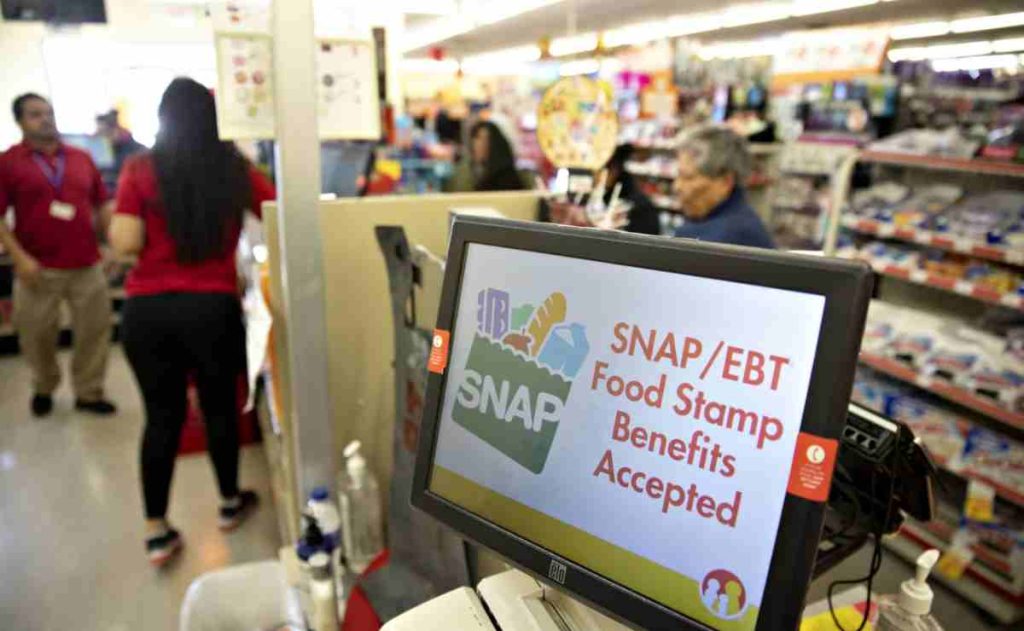
SNAP benefits are changing in a real, concrete way, and millions of households that rely on food assistance will notice it soon. Several states are now cleared to limit what can be bought with Supplemental Nutrition Assistance Program funds, shifting how grocery carts look for many families.
This is not a proposal or a pilot anymore. Federal approval is already in place, timelines are set, and the first restrictions tied to SNAP food purchases will roll out starting in 2026 across a growing list of states.
SNAP benefits and food purchase limits
The Supplemental Nutrition Assistance Program, commonly known as SNAP, currently supports more than 42 million Americans. Under new federal waivers approved by the U.S. Department of Agriculture, 18 states can now restrict specific products from being purchased with SNAP benefits.
These changes are part of the federal “Make America Healthy Again” initiative. The stated objective is to refocus SNAP on nutrition by limiting items considered to have little or no nutritional value.
States will not all apply the same rules, but the core idea is the same: narrowing what qualifies as eligible food under SNAP.
What SNAP recipients will no longer be able to buy
The USDA waivers allow states to redefine what counts as approved food for SNAP purchases. In practical terms, this means certain items currently allowed at checkout will be declined when SNAP cards are used.
The most common restrictions approved so far include limits on soda, candy, and some processed beverages. Several states are also targeting drinks marketed as healthy but containing minimal real nutrition.
This does not remove SNAP benefits or reduce monthly amounts. It changes how those funds can be spent.
Why these SNAP changes are happening
Federal officials describe the move as a public health measure. The administration argues that SNAP should prioritize foods that support long-term health, especially for children.
Officials have linked the decision to rising rates of chronic disease and diet-related conditions. The goal, according to the USDA and the Department of Health and Human Services, is to use public funds to encourage healthier food choices.
States requested these waivers individually, and approval was granted after federal review.
When SNAP restrictions will begin
The rollout will happen in phases, with most restrictions starting in 2026. There is no immediate change for SNAP recipients in 2025.
Implementation dates vary by state, depending on administrative readiness and system updates. Retailers will also need time to adjust point-of-sale systems to match new eligibility rules.
Beneficiaries are expected to receive advance notice before changes take effect in their state.
States approved for SNAP food limits
The following states have received federal approval to enforce new SNAP purchasing rules, with implementation scheduled for 2026:
- Early 2026: Arkansas, Idaho, Indiana, Iowa, Nebraska, Utah
- August 2026: Colorado, Florida, Louisiana, Oklahoma, Texas, West Virginia
- 2026 (month pending): North Dakota, Hawaii, Missouri, South Carolina, Tennessee, Virginia
- Additional states may apply for similar waivers in the future.
What SNAP recipients should expect next
SNAP cards will continue to work the same way at checkout, but some items will simply be declined. The benefit amount will not change, and eligibility rules remain intact.
States are expected to publish clear guidance well before enforcement begins. Grocery stores will also update shelf labeling and registers to reduce confusion.
For now, SNAP recipients do not need to take action. The changes are coming, but they are not immediate, and timelines are still measured in months, not weeks.
The bigger picture for SNAP
This shift marks one of the most significant program adjustments in years. While SNAP has always excluded non-food items, this is the first broad move to restrict categories of food based on nutrition standards.
Supporters say it modernizes the program. Others see it as a structural change in how food assistance is defined. Either way, the rules around SNAP benefits are becoming more specific, not smaller.
As 2026 approaches, SNAP households will need to pay closer attention to state-level updates. What you can buy with SNAP may soon depend more on where you live than ever before.