
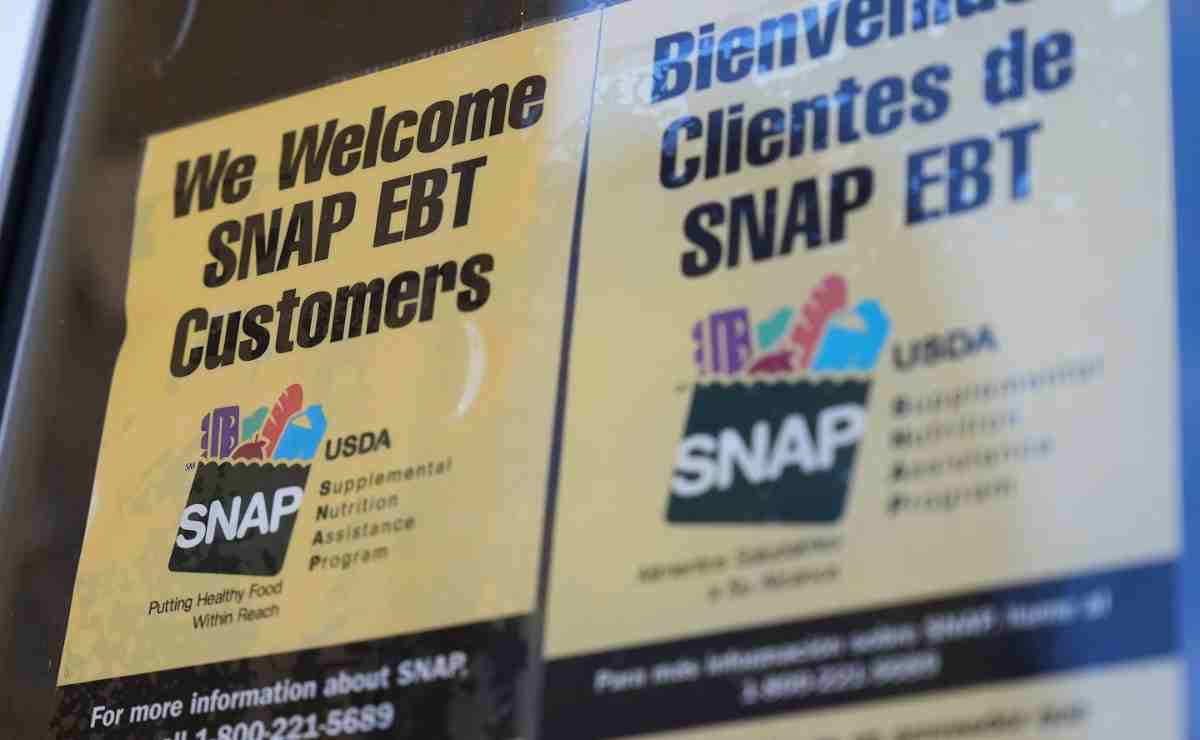
SNAP benefits will be under tighter scrutiny in 2026. New rules, state-level restrictions and eligibility changes are already set, and they will affect how millions of Americans use food assistance starting January. The shift is happening quietly, but it’s real and nationwide.
Alongside changes to SNAP benefits, the new year brings wage increases, higher travel-related taxes and new regulations tied to technology and public safety. For many households, the combined effect will be felt in everyday spending, not in headlines.
SNAP Benefits and new limits in 2026
Several states will begin restricting what can be purchased with SNAP benefits from January 1, 2026. The focus is on sugary drinks, candy and similar items, marking a change from previous years where food choice rules were broader.
Indiana, Iowa and Nebraska are among the states applying these limits. The goal, according to state lawmakers, is to align benefits more closely with basic nutrition standards, though implementation will vary by location. At the federal level, eligibility is also tightening. Able-bodied adults without dependents will need to meet updated work or training requirements to keep receiving benefits.
Minimum wage hikes reshape local incomes
More than a dozen states are raising their minimum wages in 2026, with some of the largest increases concentrated in coastal and high-cost regions.
New York will set its minimum wage at $17 an hour in New York City, Long Island and Westchester County. The rest of the state will move to $16 an hour, continuing a multi-year adjustment tied to inflation.
Washington state will reach $17.13 an hour statewide, the highest minimum wage in the country. Hawaii, Michigan and Nebraska are also implementing increases, though at different rates and schedules.
Hawaii introduces a new tourism-related tax
Travelers to Hawaii will notice a slightly higher bill starting January 1. The state is increasing its Transient Accommodations Tax from 10.25% to 11%, applying to hotels, short-term rentals and packaged travel services. State officials estimate the change will generate about $100 million annually. That revenue is earmarked for environmental protection, climate resilience projects and long-term tourism management.
The fee applies indirectly to visitors, but the collection responsibility falls on lodging operators and travel intermediaries.
Work rules and enforcement tied to food assistance
In addition to purchase restrictions, SNAP benefits will be linked more closely to employment activity in 2026. Adults required to work must log at least 80 hours per month through employment, training or approved programs. Failure to meet those requirements can lead to benefit suspension, even if income remains low. States will oversee compliance, adding another layer of administration to the program.
These changes are part of a broader effort to control welfare spending while encouraging workforce participation.
Technology, safety and everyday regulation
Beyond income and benefits, several new laws will affect daily life in less visible ways. Illinois will enforce disclosure rules for employers using artificial intelligence in hiring or workplace decisions. The law also blocks AI practices considered discriminatory.
Texas is moving to limit misuse of artificial intelligence, banning non-consensual data collection such as facial or voice recordings and strengthening penalties for harmful applications.
On the roads, California is expanding “move over” rules to protect roadside workers, while Utah and Washington are updating DUI-related laws, including alcohol purchasing restrictions for repeat offenders.