
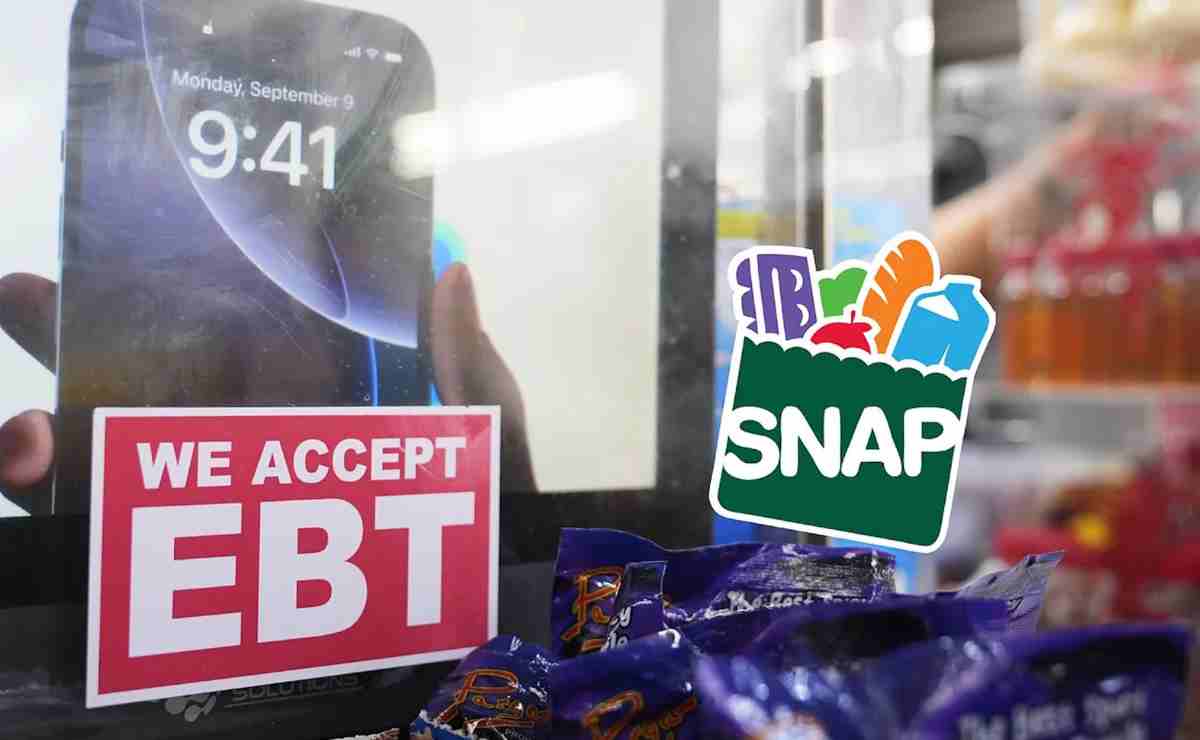
SNAP benefits are changing fast, and the impact is immediate for millions of households. After weeks of government paralysis, the reopening of Washington came with a price: tighter food assistance rules that could cut off access for adults who don’t meet new work standards.
For families and individuals relying on SNAP food benefits, the headline isn’t the end of the shutdown. It’s the fine print. A new federal funding deal keeps the program financed, but it also redraws who qualifies and who doesn’t, starting sooner than many expected.
SNAP benefits and the new federal funding deal
The latest funding package passed by the House keeps most federal agencies running through January and fully funds SNAP through next September. On paper, the program survives intact. In practice, eligibility is being narrowed. Under the new rules, able-bodied adults between 18 and 65 face stricter conditions. If they don’t have children under 14, aren’t disabled, and don’t work at least 20 hours a week, their SNAP benefits can be cut off entirely.
That shift is not symbolic. States are now required to enforce these rules as part of the broader budget agreement, even after delays caused by the shutdown.
Who is most affected by the SNAP changes
The people most exposed are adults without dependents who are unemployed or working irregular hours. Many already cycle in and out of short-term jobs, seasonal work, or informal employment that doesn’t always fit cleanly into reporting systems. For someone living alone, SNAP often covers the bulk of monthly food costs. Losing it can mean skipping meals or relying entirely on food pantries. The new rules don’t reduce benefits gradually. Eligibility can simply end.
Supporters of the changes argue that jobs are available and that work requirements encourage participation. Critics say the policy ignores barriers like criminal records, unstable housing, or limited access to transportation.
How the rules actually work on the ground
To keep SNAP benefits, affected adults must document at least 20 hours per week of qualifying activity. That can include paid work, approved job training, or certain volunteer programs, depending on state interpretation. Documentation matters more than ever. Missed paperwork or delays can trigger a loss of benefits even if the person is technically compliant.
State agencies warn that benefits can be suspended first and reviewed later. Appeals are possible, but they don’t stop the initial cutoff in many cases. SNAP is not a small program. More than 41 million Americans use it to buy groceries. The average household benefit is roughly $330 a month, though amounts vary widely by household size and income.
Most SNAP dollars don’t go to able-bodied adults without dependents. The majority flow to households with children, seniors, or people with disabilities. Still, the group now targeted by the new rules numbers in the millions nationwide.
Administration of the program falls under the U.S. Department of Agriculture, which has instructed states to move forward with implementation despite earlier disruption from the shutdown.
What happens if SNAP benefits are cut
When benefits stop, the effects are immediate. Grocery budgets disappear overnight. Rent, utilities, and transportation often take priority, pushing food to the bottom of the list. Local food banks and community pantries are already preparing for increased demand. Many report that working-age adults without children are the fastest-growing group seeking emergency food assistance.
There are steps recipients can take, but timing is tight. Once a notice is issued, deadlines come quickly.
- Submitting work or training documentation as soon as possible
- Appealing decisions that contain errors
- Contacting local workforce or SNAP assistance offices for guidance
The reopening of the federal government ended one crisis but started another for SNAP recipients caught by the new rules. Funding is secure, but access is no longer guaranteed. For those who meet the requirements, SNAP continues as before. For those who don’t, even briefly, the safety net has holes. And as states roll out enforcement, the real test won’t be in Washington, but in grocery stores, food banks, and kitchens across the country.