
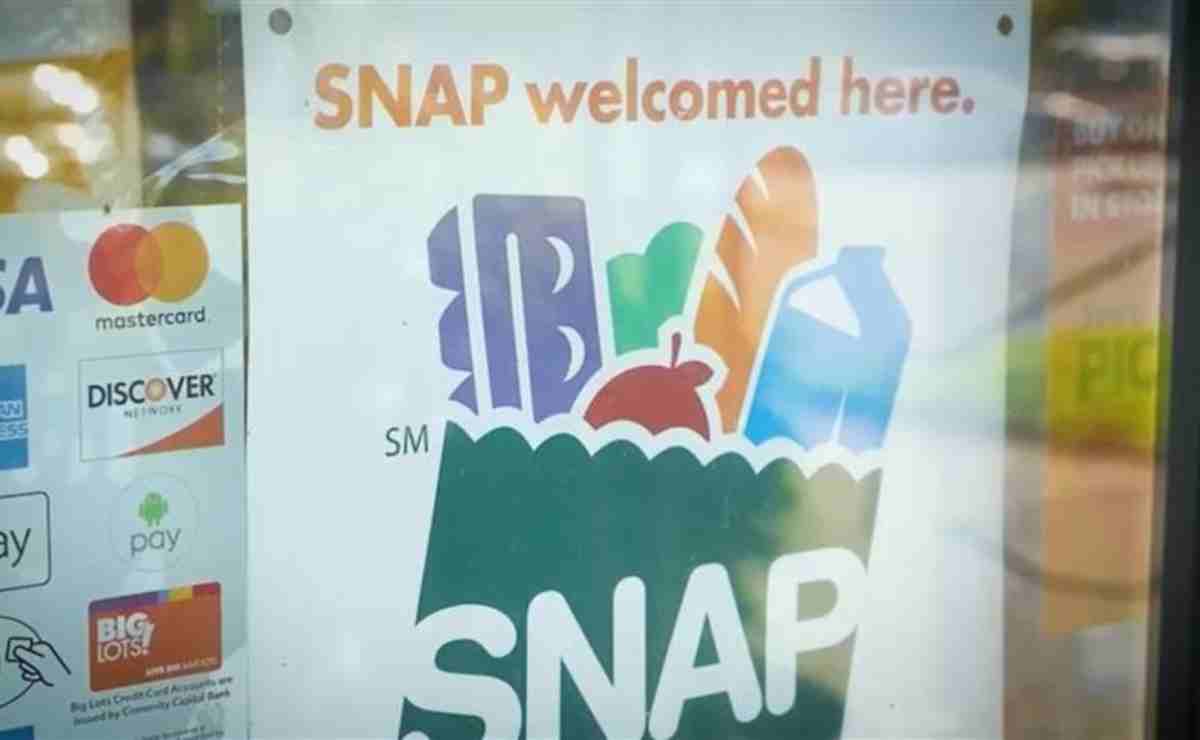
SNAP benefits are about to change in a big way, and for nearly 2 million people in Illinois the impact will be immediate. Starting February 1st, new federal eligibility rules will tighten access to food assistance, adding work requirements and cutting off entire groups that until now qualified without issues.
For many households, the shift won’t be gradual. Miss the new conditions and SNAP benefits can stop within months. The update follows fresh guidance tied to President Donald Trump’s “One Big Beautiful Bill,” and local health officials are already warning that thousands could lose help simply for not knowing what changed.
SNAP Benefits: what changes starting Feb. 1
Under the new framework, SNAP benefits will be more closely linked to employment status for adults without young dependents. The goal, according to federal guidance, is to reinforce work participation. Adults between 18 and 64 who do not have dependents under age 14 will now need to meet monthly activity requirements. That means working, joining approved training programs or volunteering for at least 80 hours every month to stay eligible.
Failing to meet that threshold has consequences. Those who don’t comply can only receive SNAP benefits for three months over a three-year period, a rule that returns with more force under the updated guidance.
Who is most affected by the new rules
The most exposed group is adults without children at home. If they are unemployed or working irregular hours, they will need to actively document training, job search or volunteer work to avoid losing benefits.
People who stop meeting the requirements won’t lose assistance overnight, but the clock starts ticking. By May 1, anyone who has already used up three months of SNAP benefits and does not qualify for an exemption will be removed from the program. Household reporting also becomes more important. Income changes, new jobs or changes in who lives in the home must be updated to avoid errors that could trigger benefit suspensions or overpayments.
Immigrants losing SNAP eligibility
Another major shift affects immigrant communities. Effective April 1, several groups that previously qualified for SNAP benefits will no longer be eligible under the new rules.
This includes refugees, people granted asylum and certain victims of human trafficking. The change narrows humanitarian exemptions and is expected to affect thousands across Illinois.
What stays the same and key exemptions
Not everyone is subject to the new work rules. Adults who care for a dependent under age 14 remain exempt and can continue receiving SNAP benefits without meeting hourly work requirements. Some health-related exemptions also continue, though they must be properly documented. That makes staying in contact with caseworkers more important than ever in the coming months.
Health leaders are also promoting programs that link nutrition to healthcare, often described as “Food as Medicine.” These initiatives aim to reduce long-term health costs by ensuring people at risk can still access healthy food options.