
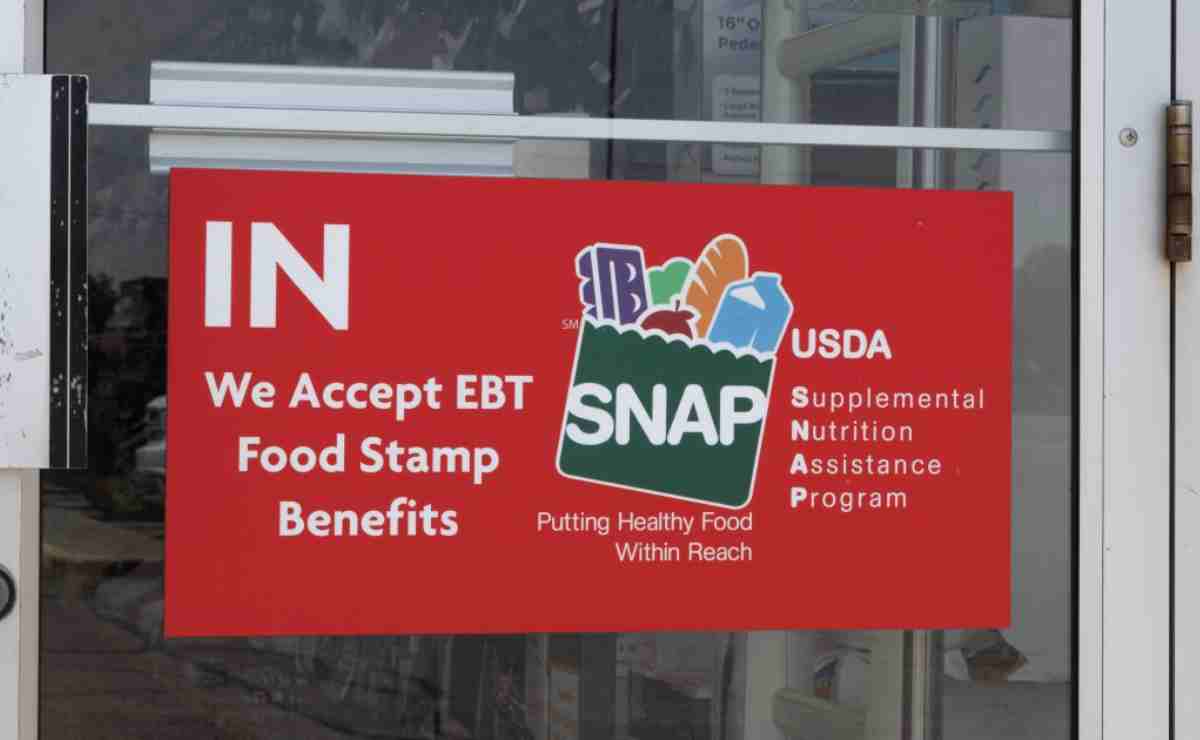
SNAP benefits are suddenly under pressure at farmers markets across the Northwest, and the impact is already being felt on the ground. After a recent U.S. Supreme Court move that halted key federal funding tied to food assistance, uncertainty has spread fast among markets that rely on SNAP dollars to keep both shoppers and farmers afloat.
What looks like a technical budget decision is, in practice, a direct hit to how SNAP food benefits work at local markets. Programs that double the value of SNAP purchases are now facing reductions, and in some cases, possible pauses next season. For families using SNAP EBT cards and for small producers, the change is immediate and tangible.
SNAP Benefits and the Market Match System
SNAP benefits, are widely used at farmers markets to buy fresh produce, meat, and locally made food. What makes these markets different is the matching system layered on top of SNAP.
Through programs run by organizations like Washington State Farmers Market Association, SNAP recipients can receive matching dollars when they spend their benefits at participating markets. Spend $10 in SNAP benefits, and the program adds another $10, effectively doubling purchasing power.
What the Supreme Court Decision Changed
The recent decision by the U.S. Supreme Court blocked a stream of federal support connected to food assistance programs. While SNAP itself has not been eliminated, the ruling has disrupted the flow of money that supports enhancements like Market Match.
For markets, this creates a planning problem. Budgets for the next season are usually set months in advance. Without clarity on SNAP-related funding, managers are forced to assume less support rather than more.
Impact on SNAP Users and Farmers
SNAP benefits play a dual role at farmers markets. They help low-income households access fresh food, and they provide reliable income to small farmers who sell directly to the public. When SNAP spending drops, farmers feel it almost immediately. Fewer SNAP dollars means fewer sales, especially for staple items like fruits and vegetables. For producers operating on thin margins, even small declines can matter.
For shoppers, the loss is about choice and access. Farmers markets often offer food that is fresher and, in some rural areas, closer than large grocery stores. SNAP benefits combined with matching dollars make those options realistic.
Why This Matters Beyond One Season
The concern now is not only about this year’s numbers, but about trust in the system. SNAP benefits work best when users know what to expect. Sudden changes discourage participation and make people hesitant to rely on market-based programs.
Market organizers worry that once participation drops, it is hard to rebuild. Farmers may decide not to return. Shoppers may shift permanently to other food sources, even if matching programs are restored later.
What Comes Next for SNAP Benefits at Markets
For now, markets are operating in a holding pattern. Many are continuing SNAP acceptance while quietly scaling back expectations for matching funds. Others are actively seeking alternative funding, though replacing federal dollars is not simple.
What is clear is that SNAP benefits remain a critical part of the local food economy. Any long-term disruption reshapes how farmers markets function and who they serve. As the next season approaches, the future of SNAP food assistance at these markets depends less on demand, which is strong, and more on whether stable funding returns in time.