
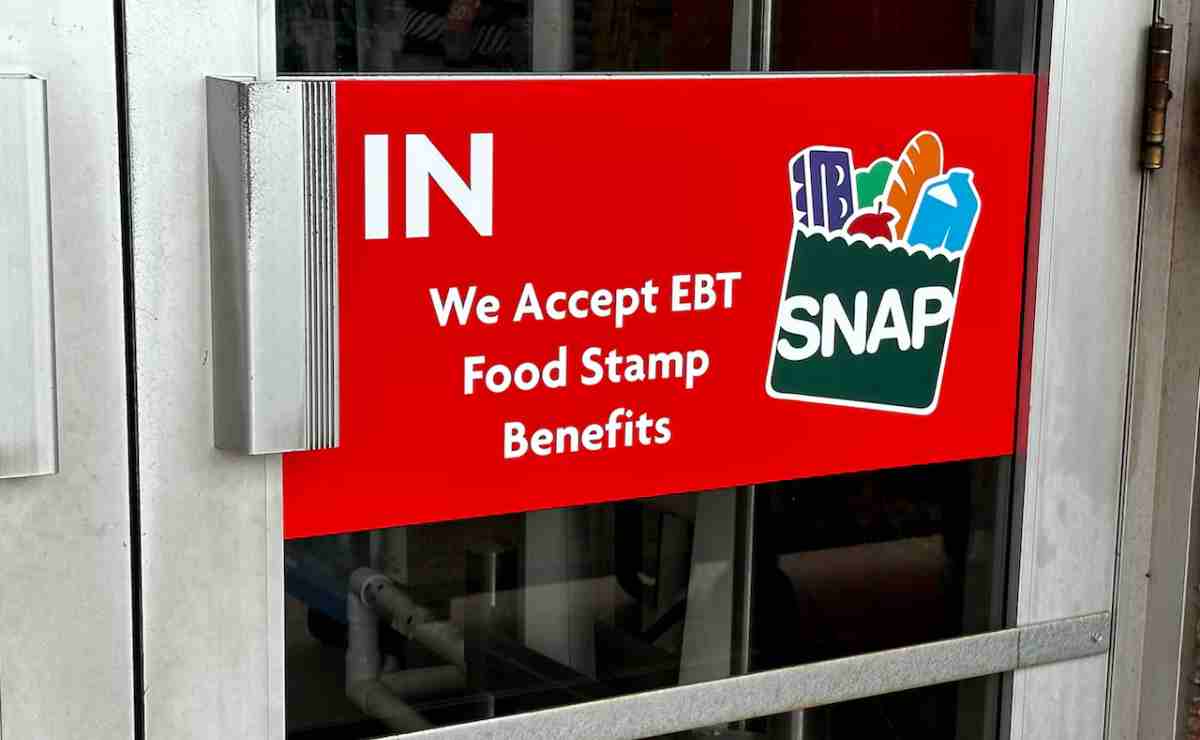
SNAP benefits in Oregon stopped, restarted, and still haven’t fully recovered. The end of the state’s hunger emergency doesn’t mean the problem is solved. Thousands of households are still dealing with delayed aid, tighter rules, and growing risks linked to the food assistance system.
Even with SNAP payments flowing again, the damage from weeks of disruption is visible across Oregon. Food banks remain overloaded, fraud cases are rising, and the state is now facing a bill worth more than $114 million just to keep the program running under new federal conditions.
SNAP benefits and Oregon’s hunger response
Tina Kotek has outlined what comes next after her 60-day hunger emergency officially expired. The declaration was triggered when SNAP benefits were disrupted during the federal government shutdown, leaving many families without reliable access to food. The focus now shifts to reinforcing SNAP benefits in Oregon as federal rules change and security threats grow. While the emergency status is over, food insecurity has not eased, especially in urban areas and smaller communities already stretched thin.
Food pantries across the state continue to report unusually high demand. Many families seeking help had never needed food assistance before the SNAP pause, a sign of how fragile household budgets have become.
Why SNAP disruptions are still hitting hard
SNAP benefits may look stable on paper, but the system is under pressure. Temporary interruptions created a backlog that hasn’t cleared, and new eligibility rules are expected to push more people out of the program.
At the same time, reports of EBT card skimming have increased across Oregon. Stolen benefits mean fewer groceries, even for people who technically still qualify for aid. For community organizations, the pattern is clear. When SNAP access weakens, food pantries fill up almost overnight. The shift happens fast and doesn’t reverse easily once households fall behind.
The cost of keeping SNAP benefits running
To prevent deeper problems, the state is asking lawmakers to approve major investments through the 2025–2027 budget cycle. According to the Oregon Department of Human Services, the total request from the general fund is $114.6 million.
That money would be used for several key areas:
- $54.4 million to cover Oregon’s higher share of SNAP administrative costs, rising from 50% to 75% in October 2026
- $39.3 million for IT upgrades aimed at reducing SNAP payment errors, which could otherwise trigger penalties starting in 2027
- $13.8 million to hire additional staff to process applications under stricter eligibility rules
- $7.1 million to replace current EBT cards with chip-enabled cards, plus $6 million in federal funds for the same project
Without these changes, Oregon risks paying a percentage of SNAP benefit costs if error rates exceed 6%, something the state is trying to avoid.
Security issues and tighter eligibility
Federal policy updates linked to H.R.1 have reshaped how SNAP benefits are managed. States now face tougher standards, more reporting requirements, and less margin for administrative mistakes.
For applicants, this often means longer processing times and more documentation. For the state, it means higher costs just to maintain the same level of service. EBT card fraud adds another layer of urgency. Chip-enabled cards are expected to reduce skimming, but replacing the current system requires time, funding, and coordination at a statewide level.
What happens if SNAP benefits shrink again
Local food pantries do not rely on SNAP funding directly, but they feel every ripple when benefits are delayed or reduced. When SNAP paused, a surge of first-time visitors showed up almost immediately.
Many of those families were already receiving SNAP before the disruption. Once benefits stopped, even briefly, they had no buffer. Rent, utilities, and groceries were already competing for the same limited dollars. The concern now is not just about another pause, but about gradual erosion. Smaller benefits, tougher access, or higher fraud rates all push more people toward emergency food aid.
A fragile balance moving forward
Oregon’s hunger crisis didn’t begin with SNAP disruptions, and it won’t end with the emergency declaration. The system depends on a balance between federal funding, state administration, and local support networks. Stabilizing SNAP benefits remains central to that balance. If the program weakens further, food pantries will continue to absorb the shock, but capacity is not unlimited.
For now, the state is betting that investing upfront in staffing, technology, and security will prevent a deeper crisis later. Whether that’s enough will depend on how SNAP benefits hold up under the next round of federal changes.