
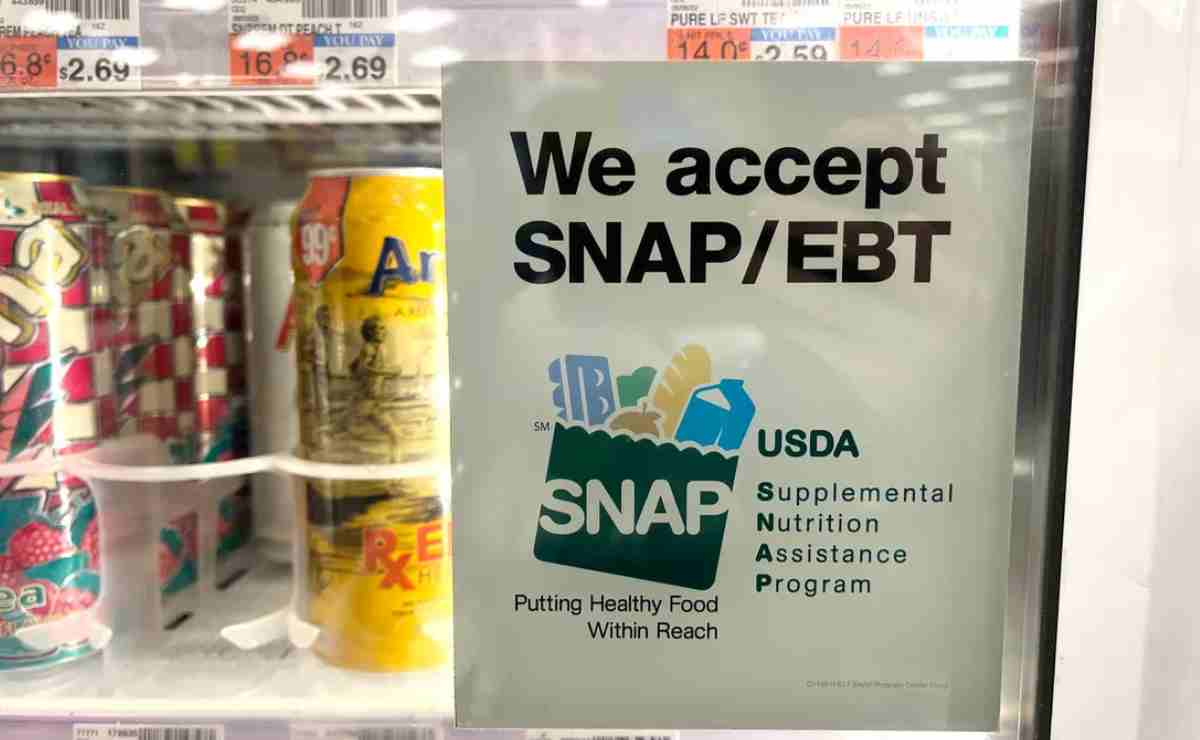
SNAP bennefits are about to work differently, and millions of households will notice it sooner than later. The federal food assistance program, used by over 41.7 million people in the U.S., is entering a transition year with new limits on what can be bought, who must work, and how states manage the system.
For families already using SNAP, the core message is clear: benefits will continue, but under stricter conditions. Starting in 2026, SNAP bennefits will come with food purchase restrictions, expanded work requirements, and financial pressure on states that administer the program.
SNAP bennefits and who relies on them today
SNAP bennefits remain one of the largest assistance programs in the country. In fiscal year 2024, the program supported 41.7 million Americans, including working adults, families with children, seniors, and people with disabilities. These changes affect everyday shopping, monthly eligibility, and even how long states can afford to process benefits without penalties. While inflation adjustments are still planned, the structure of SNAP is clearly shifting.
In Iowa alone, nearly 268,000 individuals across more than 130,000 households receive SNAP assistance. In Woodbury County, that figure reaches about 5,600 households, showing how deeply embedded the program is at the local level.
For many recipients, SNAP is not a temporary bridge but an ongoing support tied to wages that do not keep up with food prices.
Food restrictions coming to SNAP purchases
One of the most visible changes to SNAP bennefits will happen at grocery stores. Beginning in 2026, several states will restrict the use of SNAP funds for high-sugar items.
Sugary drinks, candy, and certain processed snacks that were previously allowed will no longer qualify. The goal is to narrow SNAP purchases toward basic nutrition rather than discretionary foods.
This shift applies beyond Iowa. States including Hawaii, Missouri, North Dakota, South Carolina, Virginia, and Tennessee have already approved guideline changes that limit what SNAP bennefits can be used to buy.
More states joining the SNAP restriction list
The list of states adopting food restrictions is growing, and more could follow. These changes are part of a broader national push to standardize SNAP purchases around nutritional priorities.
For recipients, this means less flexibility at checkout and more planning around eligible items. For retailers, it also means system updates and clearer separation between approved and non-approved products.
While benefits remain intact, the shopping experience under SNAP bennefits will not look the same as it did in prior years.
Work requirements expanded under SNAP rules
Another major update affects eligibility itself. SNAP bennefits will now include stricter work requirements for adults between the ages of 18 and 64.
Eligible recipients must complete at least 80 hours per month through employment, job training, or approved volunteer work. This applies even to adults close to retirement age, unless they qualify for an exemption.
Exemptions remain in place for specific groups, including pregnant individuals, adults with disabilities, caregivers for sick or disabled family members, and students.
Higher administrative costs for states
Changes to SNAP bennefits also impact state governments directly. Until now, states covered 50% of the administrative costs required to run the program, with the federal government covering the rest.
Under the new rules, states will be responsible for 75% of those costs. This increase may influence staffing levels, processing times, and how aggressively states monitor compliance. On top of that, states with an error rate above 6% will face financial penalties. Some states are already below that threshold, but many are not.
Not all updates reduce support. SNAP bennefits will still be adjusted to reflect inflation, offering some relief as food prices remain elevated. The average increase is expected to be around $25 per household member. The exact amount varies based on household size and eligibility, but the adjustment applies nationwide.
This increase helps offset higher grocery bills, though it may not fully cover recent price growth.