
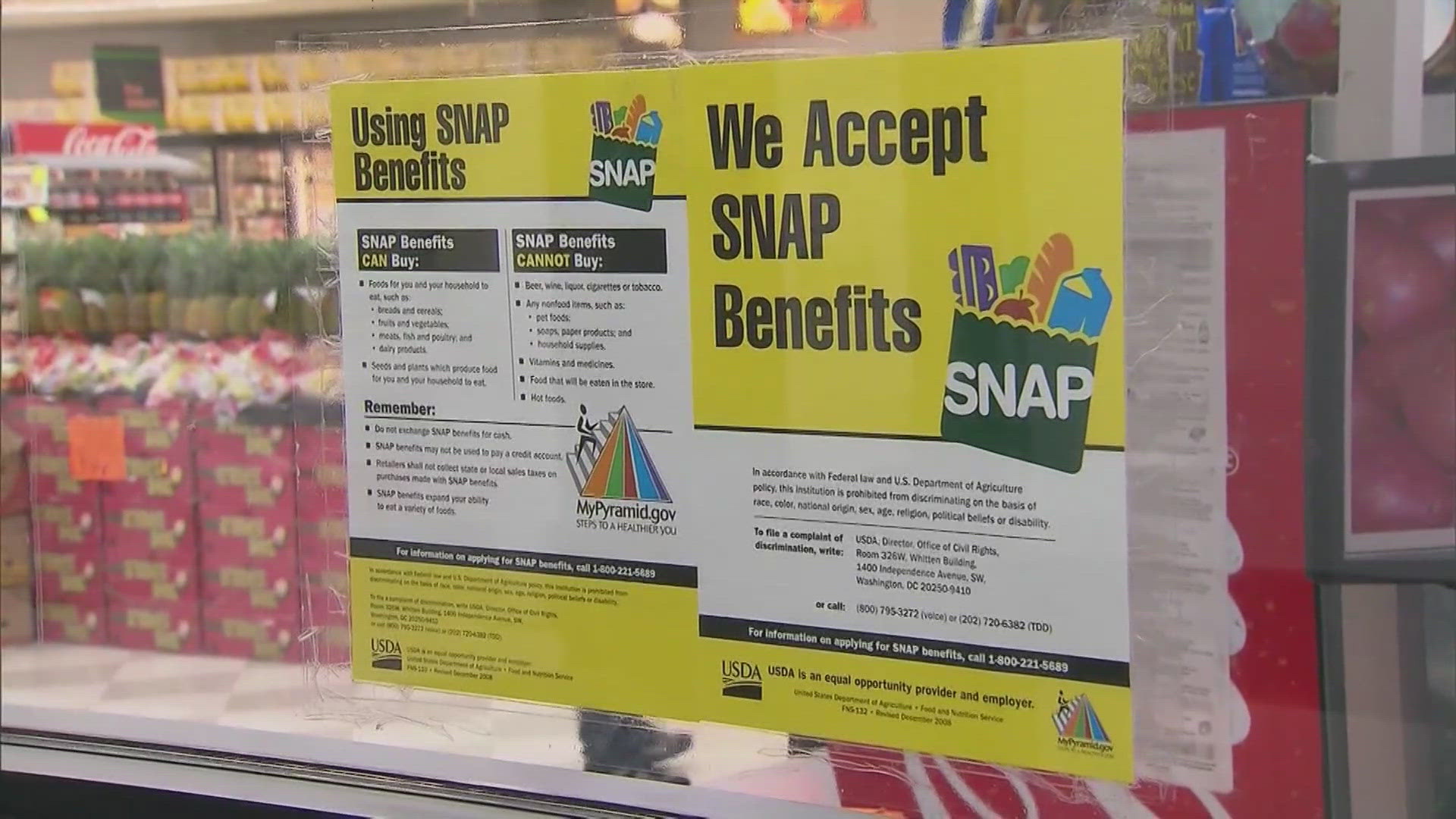
Many households have been watching the state SNAP offices closely after last month’s delays hit nearly a third of recipients. The nationwide SNAP system, often compared to a kind of “SEPE-style safety net” for food assistance in the U.S., finally confirmed that December 2025 deposits will run on the normal calendar again. For millions relying on their monthly Snap check, this stability matters more than it sounds.
The USDA, which oversees the program, said states will resume regular processing without further disruption. Still, the agency reminded recipients that every state uses its own rules and timing formula, so the day you receive your benefit may look very different from someone in another region.
USDA SNAP Administration and the December timeline
Officials clarified that December 2025 benefits will flow according to standard schedules, despite the issues seen in November. That means deposits will continue to follow state methods: some look at the last digit of a Social Security number, others rely on case numbers or even the first letter of a last name.
Because the SNAP check dates vary so widely, people should keep an eye on their state’s calendar. The USDA stated that the system is prepared for high holiday demand and does not expect new interruptions.
Rule changes that remain in effect
After the recent federal shutdown, several policy adjustments still apply, especially for adults aged 18 to 64 without a child under 14 in the household. These recipients must complete at least 80 hours per month of approved activities to keep SNAP eligibility.
Those activities may include:
- Paid or unpaid work
- Volunteering
- Community service
- Participation in SNAP Employment & Training programs
These requirements aim to remain stable through December unless states implement temporary waivers.
December 2025 distribution dates by state
The USDA released the full deposit calendar for the month, confirming that each state will follow its established pattern. Below is the official December 2025 schedule for SNAP benefits:
- Alabama: 4–23
- Alaska: 1
- Arizona: 1–13
- Arkansas: 4–13
- California: 1–10
- Colorado: 1–10
- Connecticut: 1–3
- Delaware: 2–23
- District of Columbia: 1–10
- Florida: 1–28
- Georgia: 5–23
- Guam: 1–10
- Hawaii: 3–5
- Idaho: 1–10
- Illinois: 1–20
- Indiana: 5–23
- Iowa: 1–10
- Kansas: 1–10
- Kentucky: 1–19
- Louisiana: 1–23
- Maine: 10–14
- Maryland: 4–23
- Massachusetts: 1–14
- Michigan: 3–21
- Minnesota: 4–13
- Mississippi: 4–21
- Missouri: 1–22
- Montana: 2–6
- Nebraska: 1–5
- Nevada: 1–10
- New Hampshire: 5
- New Jersey: 1–5
- New Mexico: 1–20
- New York: 1–9
- North Carolina: 3–21
- North Dakota: 1
- Ohio: 2–20
- Oklahoma: 1–10
- Oregon: 1–9
- Pennsylvania: 3–14
- Puerto Rico: 4–22
- Rhode Island: 1
- South Carolina: 1–19
- South Dakota: 10
- Tennessee: 1–20
- Texas: 1–28
- Utah: 5, 11, 15
- U.S. Virgin Islands: 1
- Vermont: 1
- Virginia: 1–7
- Washington: 1–20
- West Virginia: 1–9
- Wisconsin: 1–15
- Wyoming: 1–4
With December being a peak spending season, SNAP administrators recommend checking benefit balances earlier than usual. States expect higher transaction volume, which may cause brief slowdowns even if payment dates stay the same.
Recipients should also review work-requirement hours for the month to avoid gaps in benefits, especially those living in states with strict verification systems.