
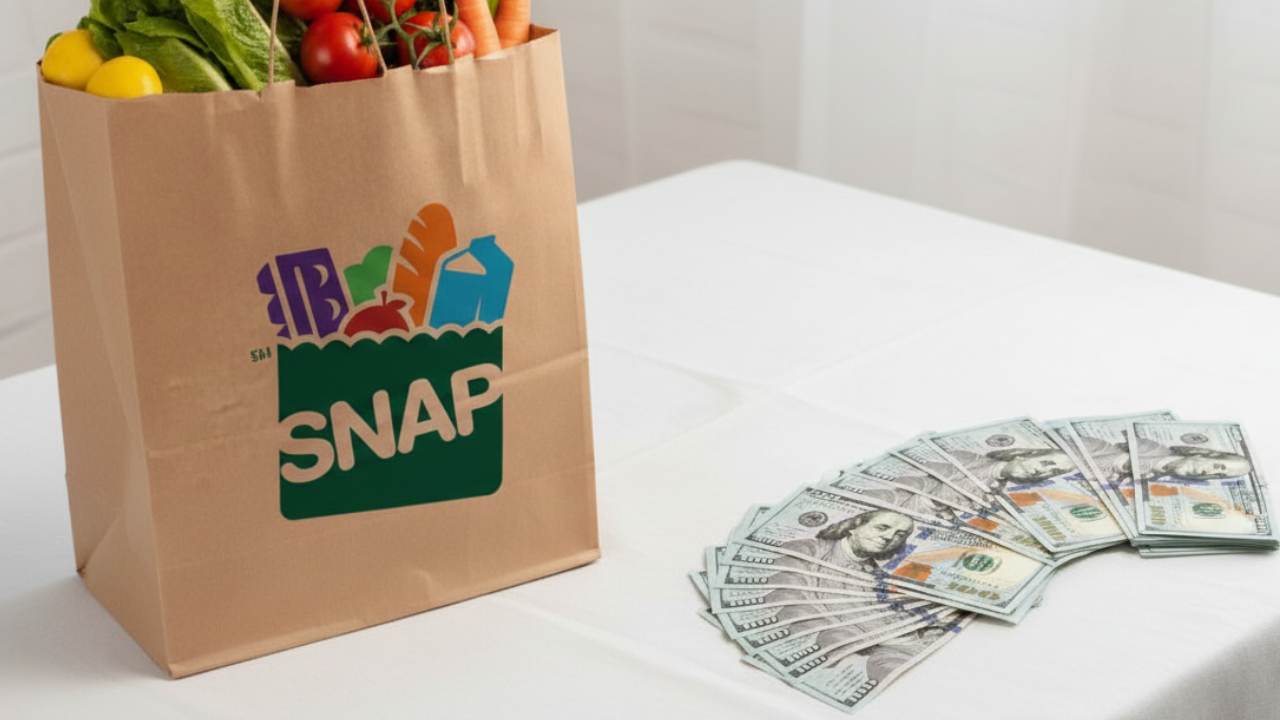
SNAP benefits will no longer cover certain foods in a growing number of states starting in 2026. Federal approval has now cleared the way for six more states to restrict what Supplemental Nutrition Assistance Program funds can be used to buy.
The change affects everyday SNAP grocery purchases, not eligibility or payment amounts. For households using food stamps, the difference will be noticed at checkout, especially when buying soda, candy, or highly processed snacks.
SNAP purchase limits expand to more states
The federal government has approved new SNAP waivers allowing Hawaii, Missouri, North Dakota, South Carolina, Virginia, and Tennessee to block specific products from being purchased with SNAP benefits beginning in 2026.
These states join others that already operate under similar waivers. Once the new approvals take effect, 18 states in total will be enforcing limits on certain food items under the Supplemental Nutrition Assistance Program.
The policy does not reduce monthly SNAP payments. It only restricts the categories of food that can be paid for using EBT cards.
What foods SNAP benefits may no longer cover
Under the approved waivers, states can prohibit SNAP funds from being used on items considered low in nutritional value. While exact lists can vary slightly by state, the focus is consistent.
Products commonly cited in the approved plans include sugary drinks, candy, and certain packaged desserts. Alcohol and hot prepared foods were already excluded under existing SNAP rules.
The restrictions are expected to be enforced at the point of sale, using the same systems already in place for SNAP-eligible items.
Why the SNAP changes are happening now
Federal officials say the expansion is part of a broader effort to address diet-related health issues. The initiative, branded as “Make America Healthy Again,” aims to reduce long-term public health costs tied to obesity, diabetes, and heart disease.
According to officials involved in the decision, SNAP reaches millions of households and influences food purchasing habits every month. Adjusting what the program can be used for is seen as one lever to encourage healthier choices.
The waivers give states flexibility, not a mandate. Each state chose to apply for approval and design its own limits within federal guidelines.
States already enforcing SNAP food restrictions
Before this latest approval, a dozen states already had permission to restrict SNAP purchases. With the six new additions, more than one-third of states will soon operate under modified SNAP food rules.
Ohio has publicly discussed similar measures but has not yet received final approval. Other states are expected to watch how the new restrictions roll out before making decisions of their own.
Because SNAP is federally funded but state-administered, the result is a patchwork system rather than a single national rule.
Support and criticism around SNAP limits
Supporters argue the changes modernize SNAP by aligning it with current public health priorities. They say taxpayer-funded food assistance should prioritize nutrition over convenience products.
Critics see it differently. Advocacy groups warn that restricting SNAP purchases can stigmatize low-income families and complicate grocery shopping. There are also concerns about inconsistent enforcement and confusion at checkout counters.
Some experts note that limiting choices does not automatically improve diets if access to affordable, healthy food remains uneven.
What SNAP recipients should expect next
For now, nothing changes in 2025. The new SNAP purchase restrictions are scheduled to begin in 2026, giving states and retailers time to update systems and inform beneficiaries.
Recipients in affected states will likely receive notices explaining which items are no longer eligible. Retailers will also be required to clearly flag restricted products.
The latest SNAP changes do not alter who qualifies for food assistance or how much help families receive each month. Instead, they change how benefits can be spent in participating states.
For millions of Americans who rely on SNAP, the program will still function as it always has, just with fewer options in certain aisles. How noticeable that feels will depend largely on where you live and how you shop.
As more states consider similar waivers, SNAP food rules in 2026 are shaping up to look very different from what recipients are used to today.