
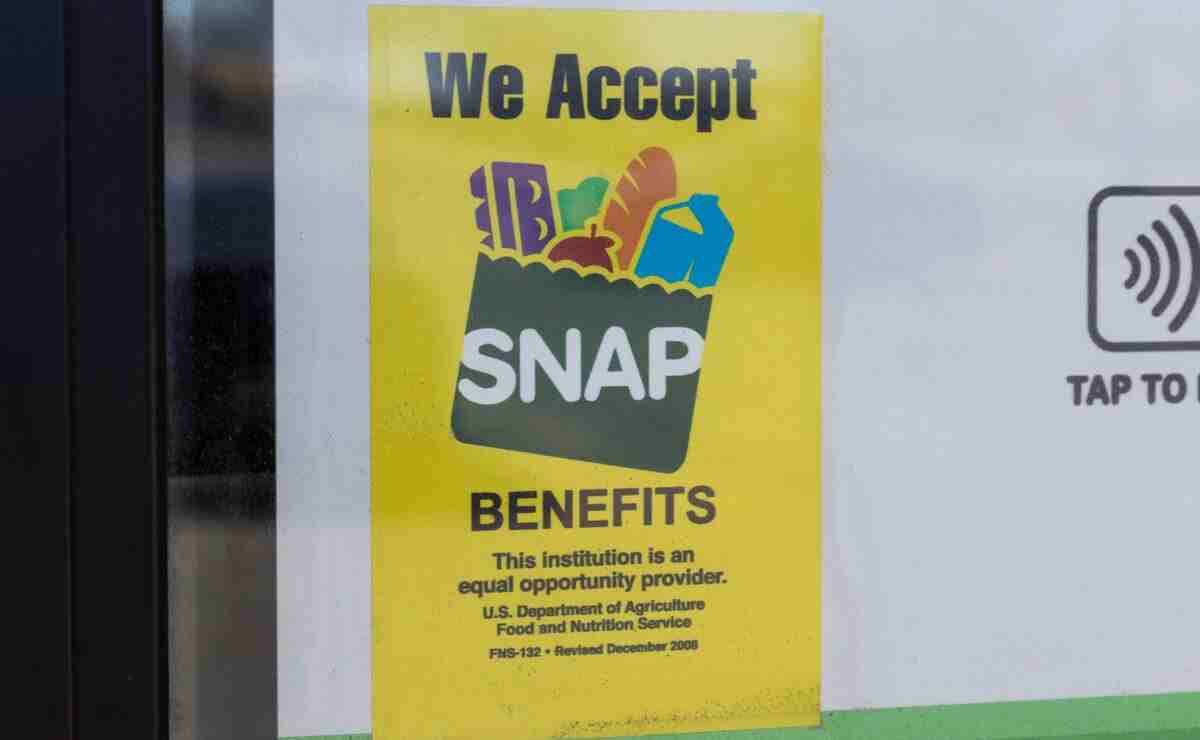
The age threshold has been pushed higher. Adults between 55 and 64 are now included, along with parents whose children are between 14 and 18 years old. That alone adds a significant number of people to the work-required category.
Several long-standing exemptions are also being removed. Veterans, individuals aging out of foster care, and people experiencing homelessness will no longer automatically qualify for waivers under SNAP benefits.
Why the federal government is doing this
The changes are part of a federal effort to cut SNAP benefits spending by billions of $. Officials argue that tightening eligibility rules will improve oversight and reduce long-term costs. Work requirements are being framed as a way to reconnect food assistance to employment, training, and volunteering. The goal, according to federal guidance sent to states, is to limit extended benefit use without labor participation.
At the state level, the conversation has also focused on accountability. Audits in past years uncovered cases of duplicate SNAP cards and improper benefit use, fueling calls for stricter controls.
What this means in Ohio right now
In Cuyahoga County alone, about 5,100 SNAP recipients have already been notified that their requirements are changing. That represents less than 3% of the county’s total SNAP caseload, but the administrative impact is expected to ripple wider.
Those affected will need to complete interviews with county agencies to confirm eligibility, work status, or possible exemptions. Even people not directly impacted may face longer wait times as offices handle the surge. Local health and human services departments are preparing for heavier foot traffic, more paperwork, and slower processing across the board.
Pressure on food pantries is expected
Community food programs are bracing for delayed effects. Past changes to SNAP benefits didn’t cause an immediate spike in demand, but several months later, food pantry visits rose sharply once monthly benefits ran out.
Many SNAP recipients already rely on food banks to stretch limited assistance. Rising grocery prices have shortened how long benefits last, sometimes to just a week or less. Regional food banks have shifted focus toward outreach, making sure clients understand the new rules and helping connect them with job placement or training resources.
SNAP Benefits and the reality on the ground
Despite the policy shift, most SNAP recipients are already working. Roughly three out of four people receiving SNAP benefits have jobs, often in low-wage or unstable positions.
The group affected by the new rules largely includes individuals struggling to balance part-time work, caregiving, health issues, or inconsistent schedules. For them, meeting strict hourly requirements may not be simple. What’s changing is not just eligibility, but risk. Missing paperwork, delayed interviews, or short-term job gaps could now trigger benefit loss faster than before.