
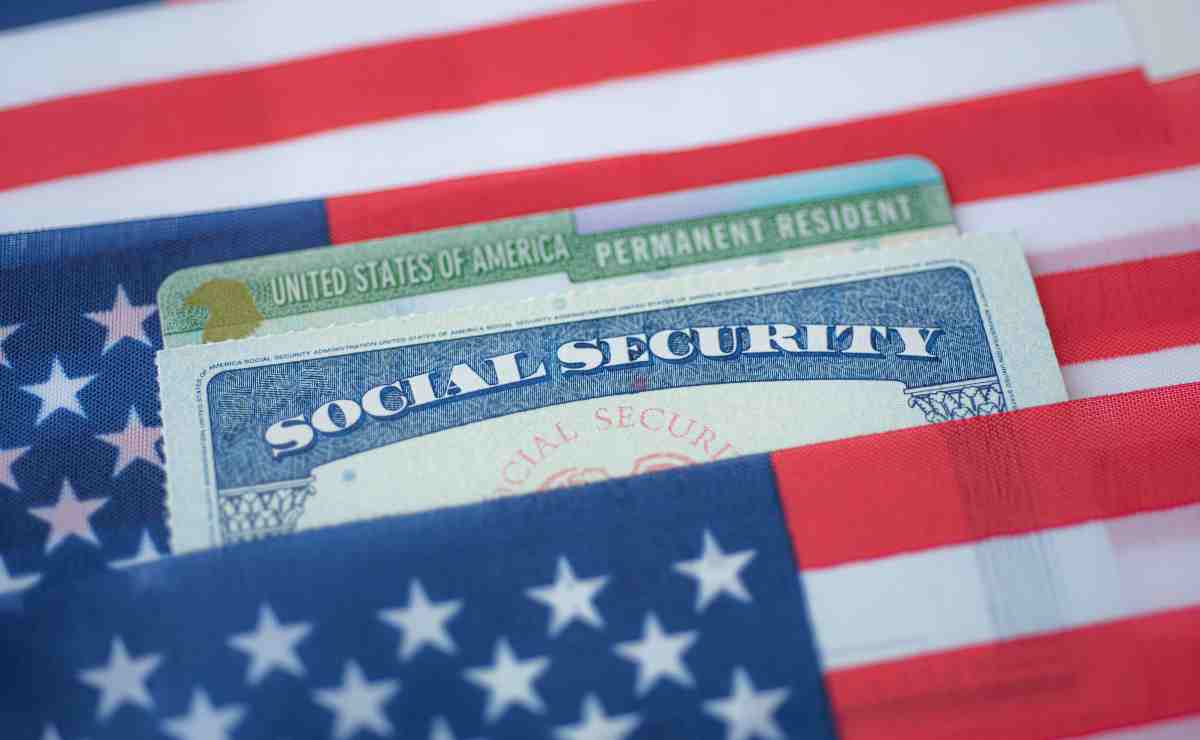
Social Security’s payout system is heading into one of its strangest months of the year, and millions of Americans are already searching for things like “Social Security double payment December,” “two SSI checks,” or “Social Security early payment dates.” And yes this is the month when SSI recipients end up with two deposits, even though the total yearly money doesn’t actually change at all.
The reason comes down to how Social Security handles weekends and federal holidays. The program avoids releasing payments on days when banks are closed, so the SSI check for January 2026 won’t arrive in January at all. Instead, it moves back into December 2025, creating this unusual two-payment month for more than 7 million people.
Social Security’s early payout and how it works
SSI payments normally show up on the first day of each month, but the calendar plays a major role here. Because January 1 is a federal holiday nationwide, the program can’t deliver funds that day. So January’s SSI check drops on December 31 instead, right after the regular December 1 payment.
This doesn’t increase total benefits for the year, and it doesn’t change eligibility rules or how much a person receives. It simply shifts the date, which is why Social Security reminds recipients that they won’t see another SSI deposit until February 2, 2026. The early payment just fills in for the January 1 cycle.
Most retirees and disability beneficiaries won’t see this shift at all since their payments follow a birthday-based schedule, not the first-day rule.
Social Security retirement & SSDI payments for December 2025
Social Security retirement checks, survivor benefits and SSDI disability payments stick to a very rigid calendar tied to birthdays. The only exception is the older group people who first began collecting before May 1997 and they are always paid at the start of each month.
For December 2025, all major benefits follow the standard mid-month Wednesday pattern, without changes from the Christmas holiday since it falls on a Thursday this year. Banks stay open, so no adjustments are needed.
How much Social Security and SSI beneficiaries receive
Payments arriving in December continue using the 2025 COLA rates. Retired workers average around $1,928 a month, while SSDI beneficiaries receive roughly $1,537. Survivor benefits vary by case but remain in a similar range.
SSI amounts depend on living status and eligibility. The maximum federal rate for individuals is $943 per month and $1,415 for couples. Actual payments may differ based on income or state supplements, but these figures guide the top federal payout. Even though January’s SSI check arrives early, the December 31 deposit will still count as the first payment of the new year’s COLA increase. For 2026, Social Security confirmed a 2.7% adjustment, giving retirees and low-income households a little more room to handle everyday costs.
This raise applies across SSI, SSDI, retirement and survivor benefit programs, and recipients will see the higher amount in whichever January check applies to them even if it technically lands on the last day of December.