
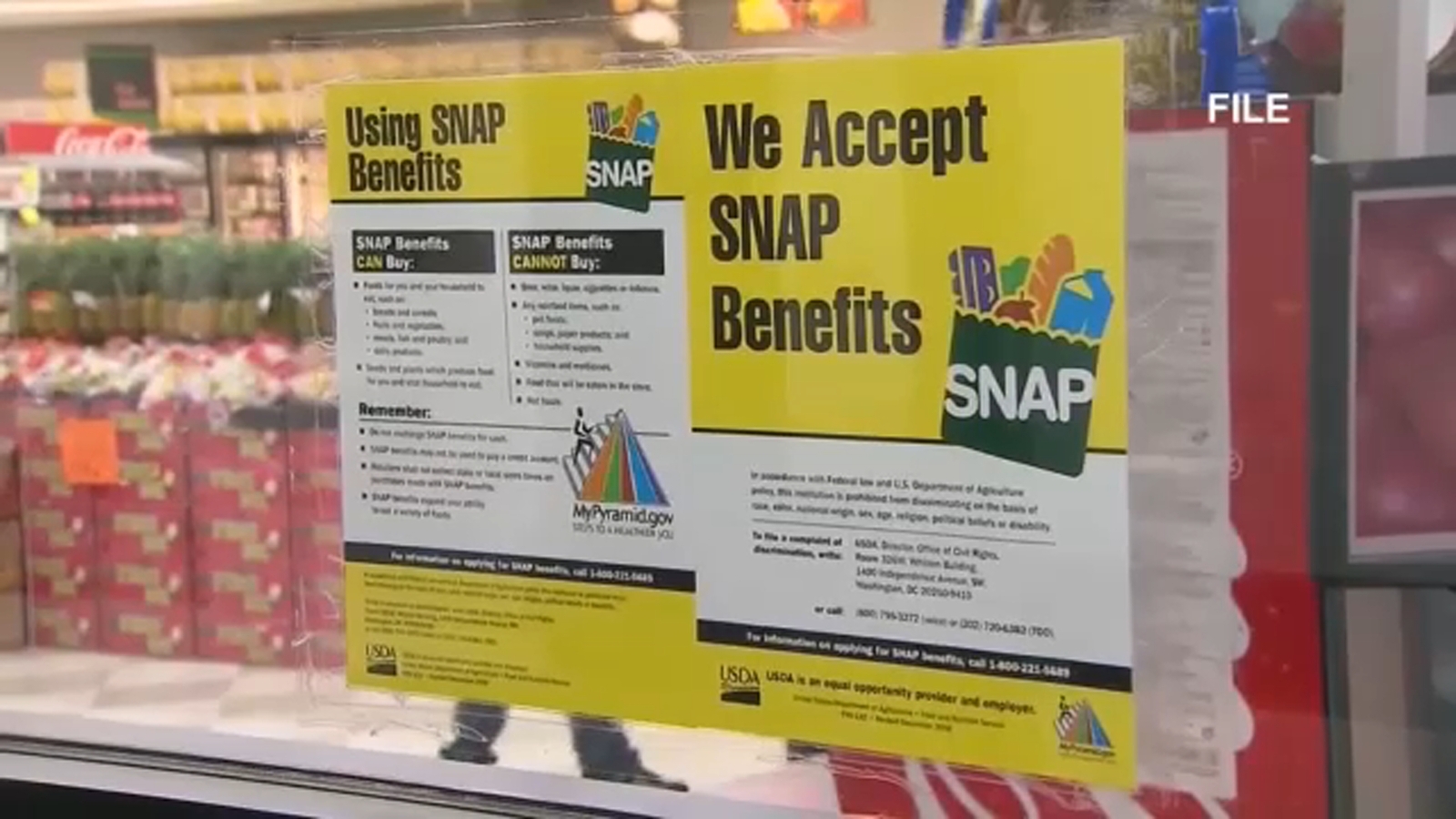
Social Security households that depend on SNAP benefits in Texas are facing a concrete change that will directly affect what they can buy at the grocery store. Starting April 1, 2026, the use of SNAP funds, closely tied to Social Security recipients with limited income, will be restricted under a new state law already approved at the federal level.
For retirees, SSI beneficiaries, and people receiving SSDI who rely on Social Security as their main income, this is not a distant policy debate. Texas will become the first state in the country to block SNAP cards from paying for foods classified as junk food, reshaping everyday shopping for nearly 3.5 million people. The measure does not reduce Social Security checks or SNAP amounts. What changes is the scope of what those benefits can be used for, with an immediate impact on food choices for low-income households.
Social Security and SNAP: why Texas is moving first
Social Security benefits often fall short of covering rent, utilities, and medical costs. For that reason, SNAP acts as a crucial supplement for millions of Social Security recipients across Texas, especially seniors and people with disabilities.
State lawmakers argue that the existing SNAP structure allows public funds to subsidize products that offer little nutritional value. From their perspective, this creates long-term health costs that hit Social Security beneficiaries hardest as they age.
Texas officials frame the policy as a health-oriented correction rather than a budget cut. The intention, they say, is to guide food assistance toward items that support a balanced diet and reduce preventable disease.
What SNAP will still pay for after April 2026
Despite early concerns, SNAP coverage in Texas will continue to include a broad range of everyday foods. Basic groceries that form the foundation of most meals remain eligible under the new rules.
Social Security recipients using SNAP will still be able to purchase fresh and frozen fruits and vegetables, meat, poultry, fish, grains, rice, pasta, beans, dairy products, and approved alternatives. Natural fruit and vegetable juices without added sugar will remain covered, as will beverages sweetened only with non-caloric sweeteners.
Special consideration remains in place for infants and people with medical needs. Infant formula and medically prescribed nutritional products are not affected by the new restrictions. This clarification matters for older adults and disabled beneficiaries who already plan meals carefully around medical and dietary needs.
Foods that SNAP cards will stop covering
The biggest shift comes from the list of excluded products. Once the rule takes effect, SNAP cards in Texas will no longer work for items classified as sugary drinks, energy drinks, processed snack chips, candy, chocolate, pastries, and similar sweets.
The restriction applies across the board. Brand names, prices, and package sizes do not matter. If a product fits the category, the EBT system will reject the purchase automatically.
For many Social Security households, these items were never daily staples. Even so, the removal forces a change in habits and budgeting, especially for families balancing SNAP benefits with fixed Social Security income.
Health data behind the decision
Texas lawmakers cite long-standing public health trends to justify the move. Rates of obesity, Type 2 diabetes, and cardiovascular disease remain high across the state, particularly in low-income communities that rely heavily on SNAP.
Supporters of the policy argue that preventing these conditions early reduces future strain on Medicare, Medicaid, and Social Security disability programs. From that view, the restriction is an investment in long-term sustainability rather than a punishment.
Critics counter that access to healthy food is uneven, especially in rural areas and food deserts. While that issue is acknowledged, the policy moves forward without additional measures tied to food availability.
How this will affect daily life for Social Security recipients
For retirees and disabled individuals, the impact will be felt at the grocery store, not on benefit statements. SNAP balances will not shrink, but spending choices will narrow.
Some households may choose to use part of their Social Security check for items no longer covered by SNAP, while others may adjust diets entirely. Either way, planning becomes more important for families already managing tight budgets.
The state has not announced penalties or reviews tied to purchasing behavior. The system relies entirely on point-of-sale restrictions.