
Social Security payments are about to change, and millions of Americans will see the difference almost immediately. With December benefits nearly wrapped up, the Social Security Administration is moving into its 2026 payment cycle with higher monthly checks and a calendar that shifts some deposits earlier than usual.
For Social Security retirement, disability, survivor benefits and SSI, the key points are already clear: payments are going up by 2.8%, January money starts landing before the new year for some recipients, and the full 2026 schedule is now in motion. For many households, this adjustment will shape their budget from day one of January.
Social Security payment increases for 2026
The increase applies across the system. Retirees, disabled workers, survivors and SSI recipients will all see higher amounts, while payment dates will follow the familiar Wednesday pattern, with a few calendar-driven exceptions at the start of the year.
In short, Social Security checks are rising, January payments are staggered by birth date as usual, and SSI recipients will see their January money arrive on December 31 because of the New Year’s Day holiday.
The Social Security Administration confirmed a 2.8% cost-of-living adjustment for 2026. This COLA applies to retirement benefits, Social Security Disability Insurance, survivor benefits and Supplemental Security Income. Starting January 1, SNAP benefits in West Virginia come with a clear new limit: soda is no longer an eligible purchase. The rule applies statewide and affects thousands of households that use food assistance every month.
SNAP Benefits and the Soda Restriction
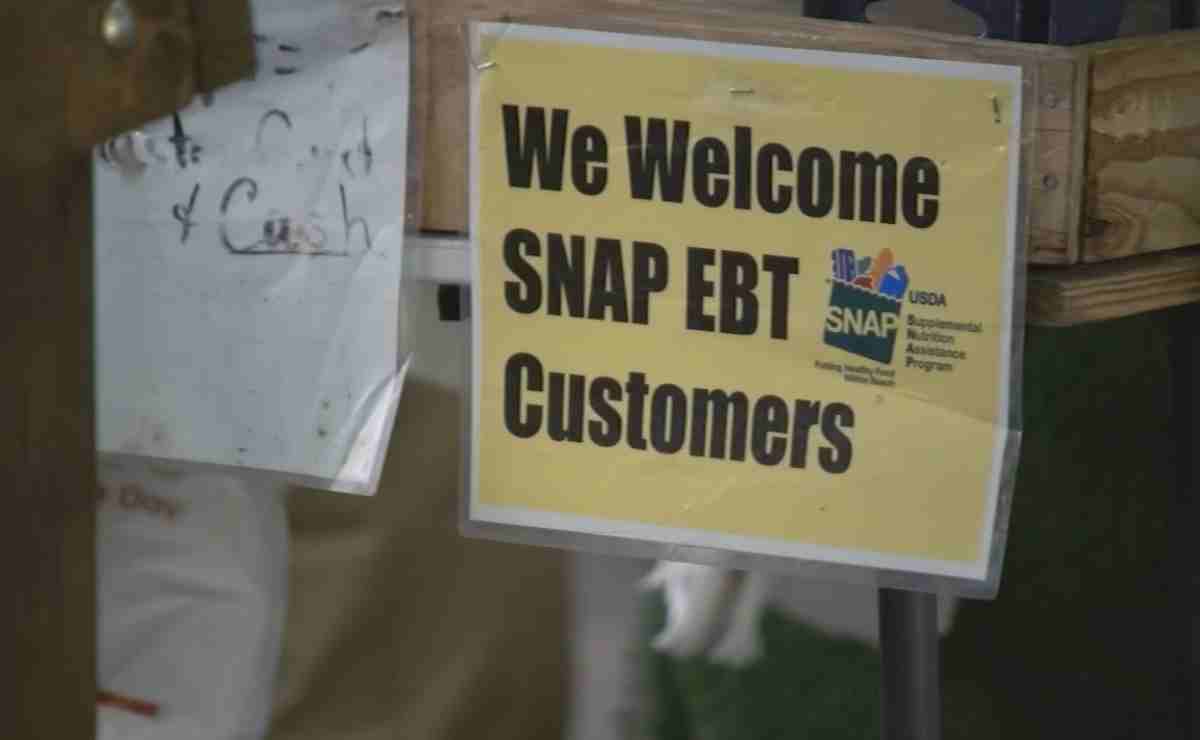
For many recipients, the change is immediate and practical. At the checkout line, regular soda, diet soda and zero-calorie soda are now blocked when paid with SNAP, while other drinks remain allowed. The measure is already in force and is expected to stay for years.
The decision places West Virginia at the center of a broader shift in how SNAP benefits are being used across the country. State officials say the goal is simple: align public food assistance with basic nutrition standards, without reducing overall aid.
Behind the scenes, the policy required months of coordination between the state, retailers and federal authorities. And while the rule looks narrow, its impact reaches well beyond soda itself.
The ban affects any carbonated, non-alcoholic beverage that includes sweeteners and carbonation. That definition is now written directly into how SNAP benefits operate in West Virginia. Water, milk, juice and energy drinks are not included in the restriction. Those items remain eligible under current SNAP rules, and no changes were announced for them.
Federal approval was required before the state could move forward. That approval arrived this year, allowing West Virginia to apply a targeted restriction without altering benefit amounts or eligibility. The waiver authorizes the change for an initial two-year period, running through the end of 2027.
Why the Rule Was Approved
State leaders frame the soda restriction as part of a larger public health push. Officials argue that SNAP benefits should support food choices that contribute to long-term health, especially in a state with high rates of diet-related illness. The policy also fits within a broader national health agenda focused on reducing sugar consumption. Similar waivers have been discussed or approved in other states, although implementation varies.
West Virginia lawmakers previously passed limits on artificial food dyes and updated school lunch standards. The SNAP soda rule follows that same logic, but applies directly to household food purchases. Supporters say the measure was overdue and narrowly tailored.
What Retailers Had to Change
For stores that accept SNAP benefits, the update was not automatic. Retailers were required to adjust point-of-sale systems so soda products are flagged as ineligible when SNAP is used. Those system changes can be costly, especially for small stores and independent grocers. Industry groups raised concerns over implementation expenses and timing earlier in the year.
State officials say they worked closely with retail associations and the U.S. Department of Agriculture to prepare for the January rollout. According to the state, most retailers were ready by the deadline. No penalties were announced for technical errors during the initial transition period.
One question that surfaced quickly was what happens near state lines. SNAP recipients living close to neighboring states can still use their benefits elsewhere.
West Virginia confirmed it will not enforce the soda restriction on purchases made outside the state. The rule only applies to transactions processed within West Virginia.
Recipients are still required to sign standard rights and responsibilities forms, but those documents do not regulate out-of-state purchases. Critics argue this could shift some sales across borders, especially in counties near Ohio, Pennsylvania or Virginia.